ELDA-30

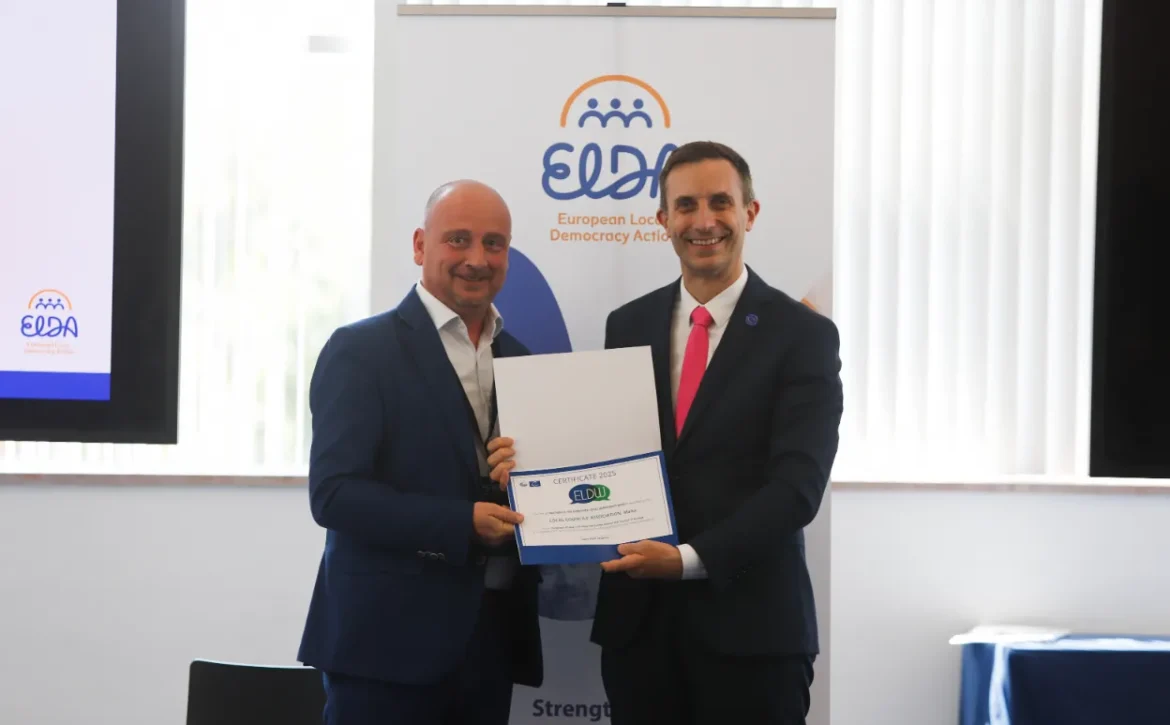
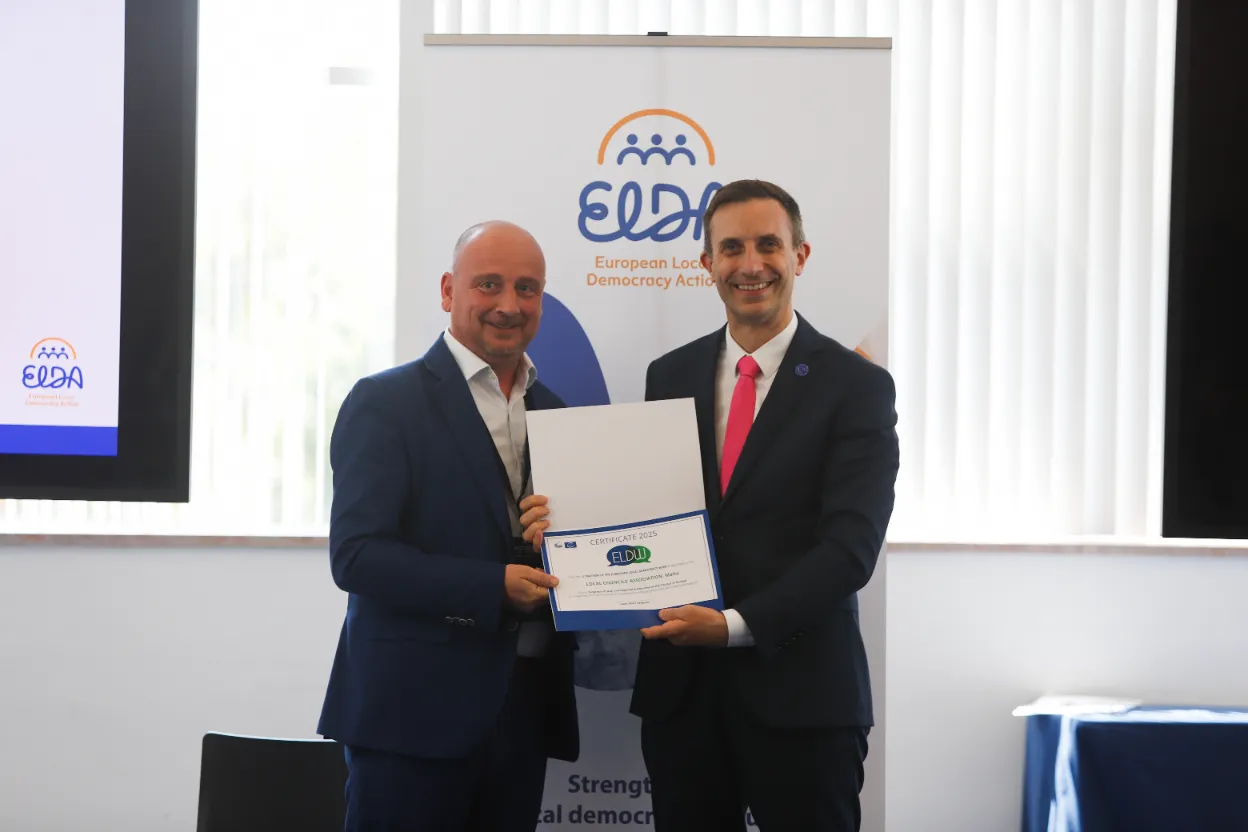
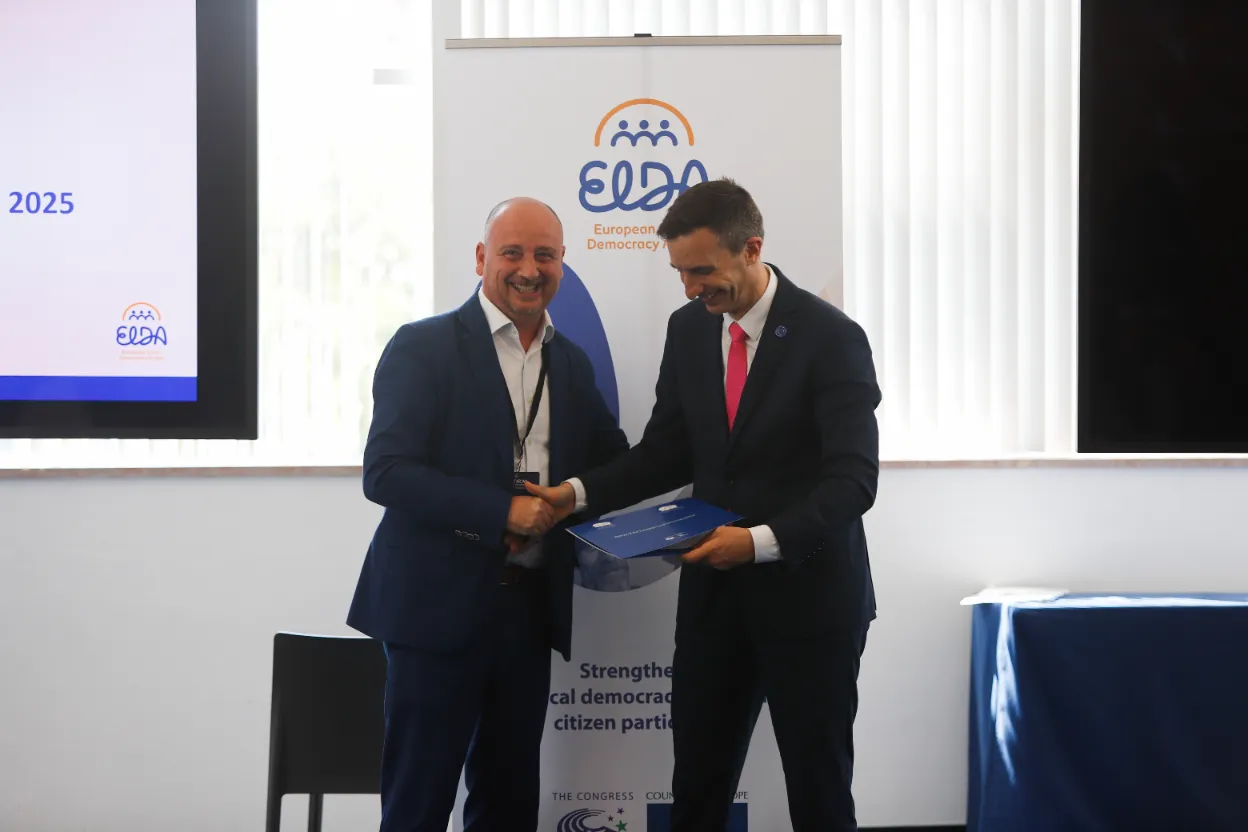
ELDW Annual Coordination Meeting 2025

We were pleased to participate in the ELDW Annual Coordination Meeting held in Cascais,
where the Local Councils’ Association was represented by Mr. Stephen Sultana, Head of the
Maltese Delegation in the Council of Europe.

The meeting provided a valuable opportunity to exchange ideas, share experiences, and
strengthen collaboration among participating municipalities and partners committed to
promoting local democracy across Europe.

The Local Councils’ Association remains committed to supporting the aims of the European
Local Democracy Week (ELDW) and fostering active democratic participation through
continued cooperation and engagement.

Read More
Stqarrija mill-AKL u Arms LTD

Stqarrija mill-AKL u Arms LTD

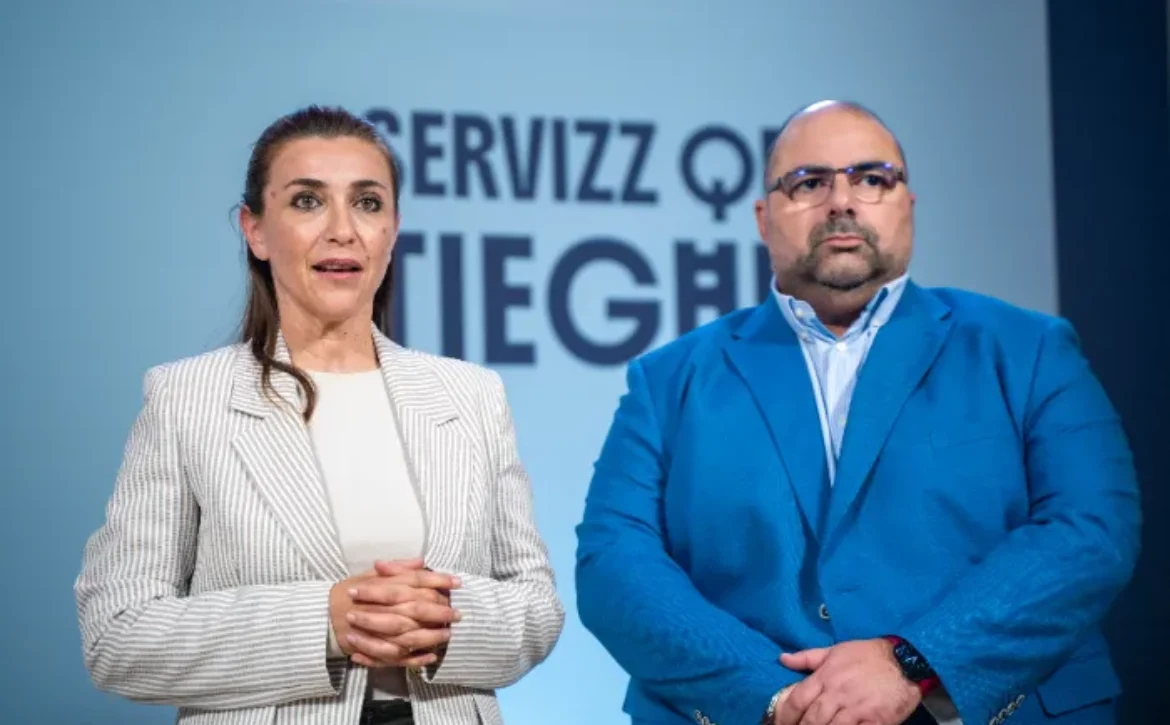
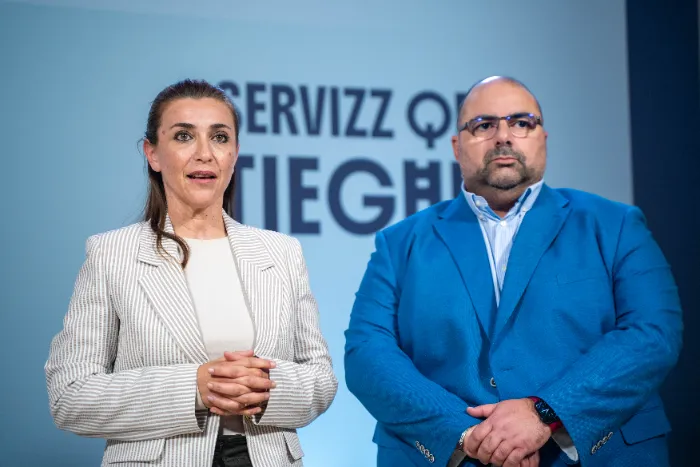
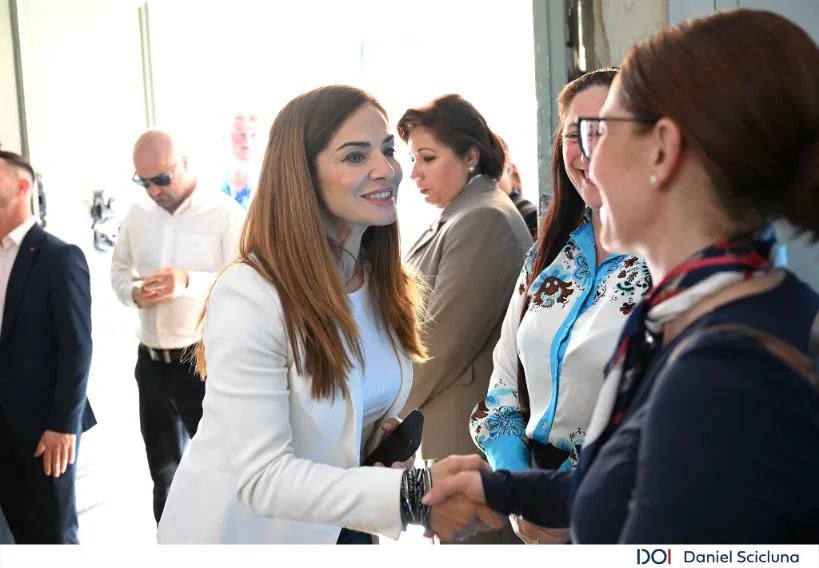
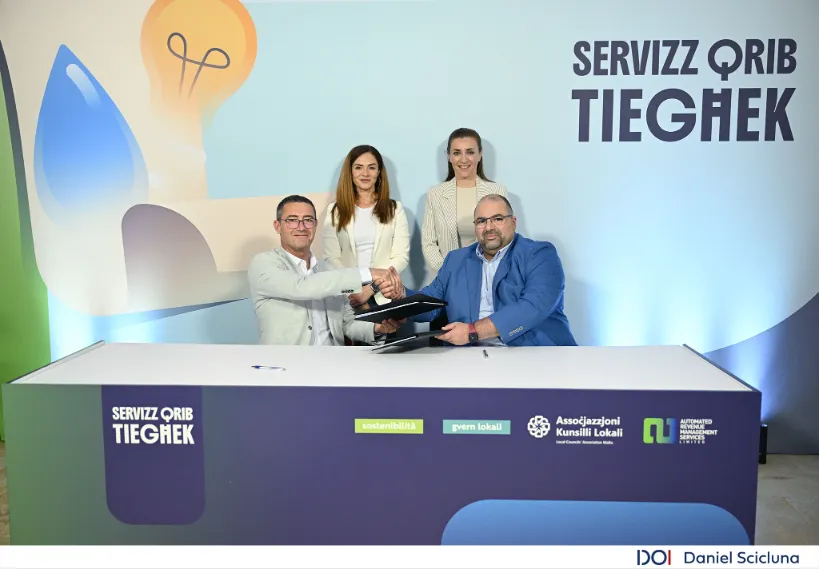
Servizz ġdid ta’ ħlas tal-kontijiet fil-Kunsilli Lokali qrib ir-residenti

Residenti f’numru ta’ lokalitajiet issa jistgħu jħallsu l-kontijiet tad-dawl u l-ilma direttament fl-uffiċċji tal-Kunsill Lokali tagħhom, permezz ta’ proġett pilota ġdid li qed jagħmel is-servizzi ta’ ħlas aktar aċċessibbli, konvenjenti u qrib il-komunità.

Din l-inizjattiva qed titwettaq permezz ta’ kollaborazzjoni bejn ARMS Ltd u numru ta’ Kunsilli Lokali li għażlu li jipparteċipaw. L-għan ta’ dan il-proġett huwa li r-residenti jingħataw għażla oħra prattika biex iħallsu l-kontijiet tagħhom.

Is-servizz il-ġdid se jikkumplimenta l-mezzi ta’ ħlas li diġà toffri ARMS Ltd, filwaqt li jsaħħaħ il-prinċipju li s-servizzi pubbliċi għandhom ikunu eqreb tan-nies u mfassla skont il-ħtiġijiet tal-komunitajiet.

Il-Ministru Miriam Dalli qalet: “B’din l-inizjattiva qed inressqu servizz essenzjali aktar viċin ir-residenti. Irridu li l-familji u n-negozji jsibu servizzi pubbliċi aktar faċli, aktar aċċessibbli u aktar marbuta mal-komunità tagħhom. Din il-kollaborazzjoni hija mod ieħor kif qed inkomplu ntejbu l-esperjenza taċ-ċittadin, li saret propju għaliex nisimgħu lin-nies dwar il-bżonnijiet tagħhom.”

Is-Segretarju Parlamentari għall-Gvern Lokali, Alison Zerafa Civelli, qalet li “dan il-proġett pilota huwa eżempju ċar ta’ kif il-Kunsilli Lokali jistgħu jkomplu jsaħħu r-rwol tagħhom fil-komunità billi joffru servizzi li jagħmlu differenza konkreta fil-ħajja ta’ kuljum tar-residenti. Permezz ta’ din il-kollaborazzjoni ma’ ARMS Ltd u l-Assoċjazzjoni tal-Kunsilli Lokali, qed inkomplu nwasslu servizzi pubbliċi aktar qrib in-nies, b’mod aktar aċċessibbli u konvenjenti. Dan huwa pass ieħor lejn gvern lokali aktar modern, effiċjenti u ffukat fuq il-ħtiġijiet reali tal-komunitajiet tagħna. Nirringrazzja lill-Kunsilli Lokali kollha li għażlu li jipparteċipaw f’din l-inizjattiva u nħares ’il quddiem biex aktar lokalitajiet jingħaqdu ma’ dan is-servizz fil-futur.”

Il-Kap Eżekuttiv tal-ARMS, George Azzopardi, qal: “Fil-mira għandna l-qalba diġitali. F’dawn l-aħħar sentejn, tellaqna ħidma kollettiva sabiex neqilbu d-diversi servizzi f’forma diġitali. Ħidma minn fost l-impjegati tal-ARMS stess li qed turi ħafna riżultati. Minkejja dan, l-obbligu jibqa’ li nżommu s-servizz qrib iċ-ċittadin. Permezz ta’ din l-inizjattiva u oħrajn li qed naraw għall-futur, is-servizz tagħna ser jibqa’ jinfirex fil-lokalitajiet madwar Malta u Għawdex.”

Il-President tal-Assoċjazzjoni tal-Kunsilli Lokali, Mario Fava, qal li “bħala Assoċjazzjoni tal-Kunsilli Lokali, nilqgħu b’sodisfazzjon l-iffirmar ta’ dan il-ftehim ma’ ARMS Ltd, li permezz tiegħu diversi Kunsilli Lokali ser ikunu jistgħu joffru servizz addizzjonali ta’ ħlas ta’ kontijiet tad-dawl u l-ilma fil-lokalitajiet tagħhom stess. Dan huwa pass importanti biex il-Kunsilli Lokali jkomplu jsiru aktar relevanti u aktar viċin ir-residenti, billi s-servizzi essenzjali jkunu aktar aċċessibbli għall-komunitajiet tagħna. Aħna nemmnu li l-Kunsilli għandhom jibqgħu qrib in-nies u li r-resident dejjem għandu jiġi l-ewwel. Inħeġġeġ lil aktar Kunsilli Lokali sabiex jieħdu dan l-eżempju u jirreġistraw magħna biex huma wkoll jibdew joffru dan is-servizz lir-residenti tagħhom.”

Il-proġett pilota se jservi wkoll biex jiġi evalwat kif dan il-mudell jista’ jtejjeb il-konsenja tas-servizzi fil-livell lokali u, fejn ikun xieraq, jiġi żviluppat aktar fil-futur.

Kunsilli Lokali parteċipanti

Il-Kunsilli Lokali li huma parti minn dan il-proġett huma dawk ta’ Ħ’Attard, il-Fgura, l-Imqabba, il-Birgu, Ħal Tarxien, il-Belt Valletta, Ħaż-Żebbuġ, il-Gudja, Marsaxlokk, il-Ħamrun, il-Mellieħa, San Ġiljan, l-Isla, Ħal Kirkop, Ta’ Xbiex u l-Kalkara, flimkien mal-Kunsill Reġjonali Tramuntana.


PRESS RELEASE BY AKL AND ARMS LTD

New bill payment service at Local Councils closer to residents

Residents in a number of localities can now pay their electricity and water bills directly at their Local Council offices through a new pilot project aimed at making payment services more accessible, convenient, and closer to the community.

This initiative is being carried out through a collaboration between ARMS Ltd and a number of participating Local Councils. The aim of the project is to provide residents with another practical option for paying their bills.

The new service will complement the payment methods already offered by ARMS Ltd, while reinforcing the principle that public services should be closer to people and designed around the needs of communities.

Minister Miriam Dalli said: “With this initiative, we are bringing an essential service closer to residents. We want families and businesses to find public services easier to access, more accessible, and more closely connected to their community. This collaboration is another way in which we are continuing to improve the citizen experience, made possible precisely because we listen to people about their needs.”

Parliamentary Secretary for Local Government Alison Zerafa Civelli said that “this pilot project is a clear example of how Local Councils can continue strengthening their role within the community by offering services that make a concrete difference in residents’ daily lives. Through this collaboration with ARMS Ltd and the Local Councils’ Association, we are continuing to bring public services closer to people in a more accessible and convenient way. This is another step towards a more modern, efficient local government focused on the real needs of our communities. I thank all the Local Councils that chose to participate in this initiative and look forward to more localities joining this service in the future.”

ARMS Chief Executive George Azzopardi said: “Our focus is on digital transformation. Over the past two years, we have undertaken collective work to shift various services into digital form. This work, carried out by ARMS employees themselves, is already producing strong results. Nevertheless, we still have the obligation to keep services close to citizens. Through this initiative and others we are planning for the future, our services will continue expanding across localities throughout Malta and Gozo.”

President of the Local Councils’ Association, Mario Fava, said that “as the Local Councils’ Association, we welcome the signing of this agreement with ARMS Ltd, through which several Local Councils will be able to offer an additional service for paying electricity and water bills within their own localities. This is an important step towards making Local Councils more relevant and closer to residents by ensuring essential services are more accessible to our communities. We believe councils should remain close to people and that residents should always come first. I encourage more Local Councils to follow this example and register with us so they too can begin offering this service to their residents.”

The pilot project will also serve to evaluate how this model can improve service delivery at the local level and, where appropriate, be further developed in the future.

Participating Local Councils

The Local Councils participating in this project are Attard, Fgura, Mqabba, Birgu, Tarxien, Valletta, Żebbuġ, Gudja, Marsaxlokk, Ħamrun, Mellieħa, St Julian’s, Isla, Kirkop, Ta’ Xbiex and Kalkara, together with the Northern Regional Council.

Read More
WhatsApp Image 2025-10-02 at 14.36.37_4fae3028

Valletta Hosts European Twinning Event to Strengthen Island Cooperation

Valletta, Malta – 1 October 2025

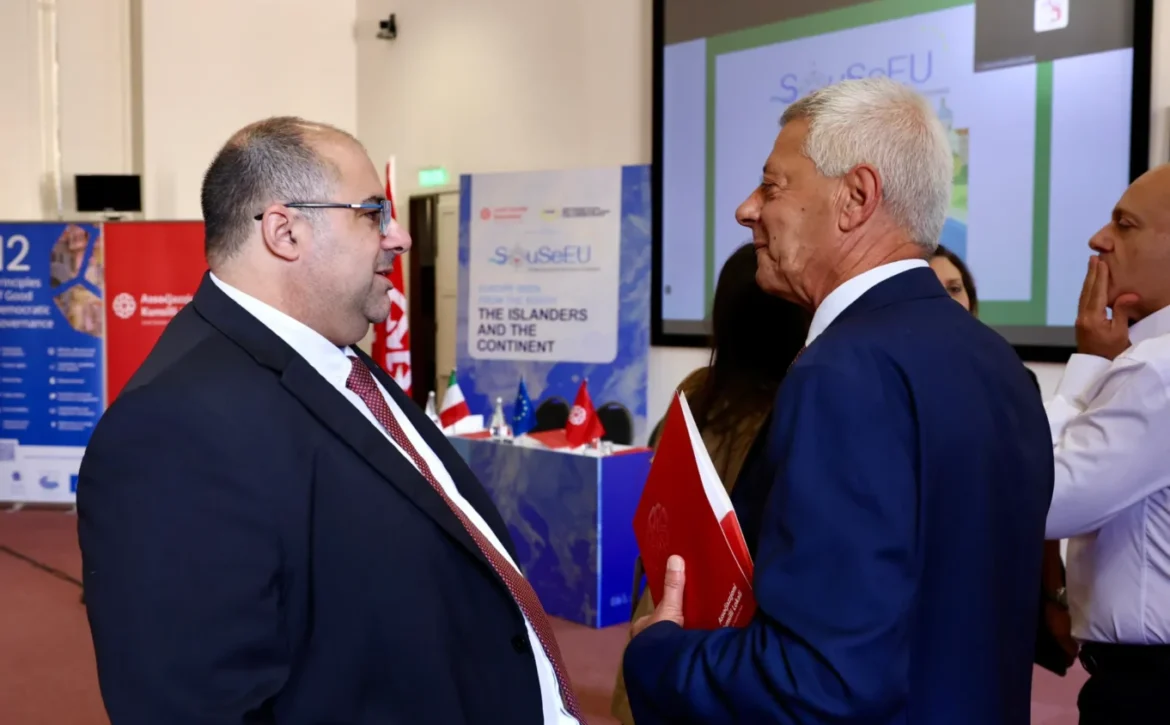
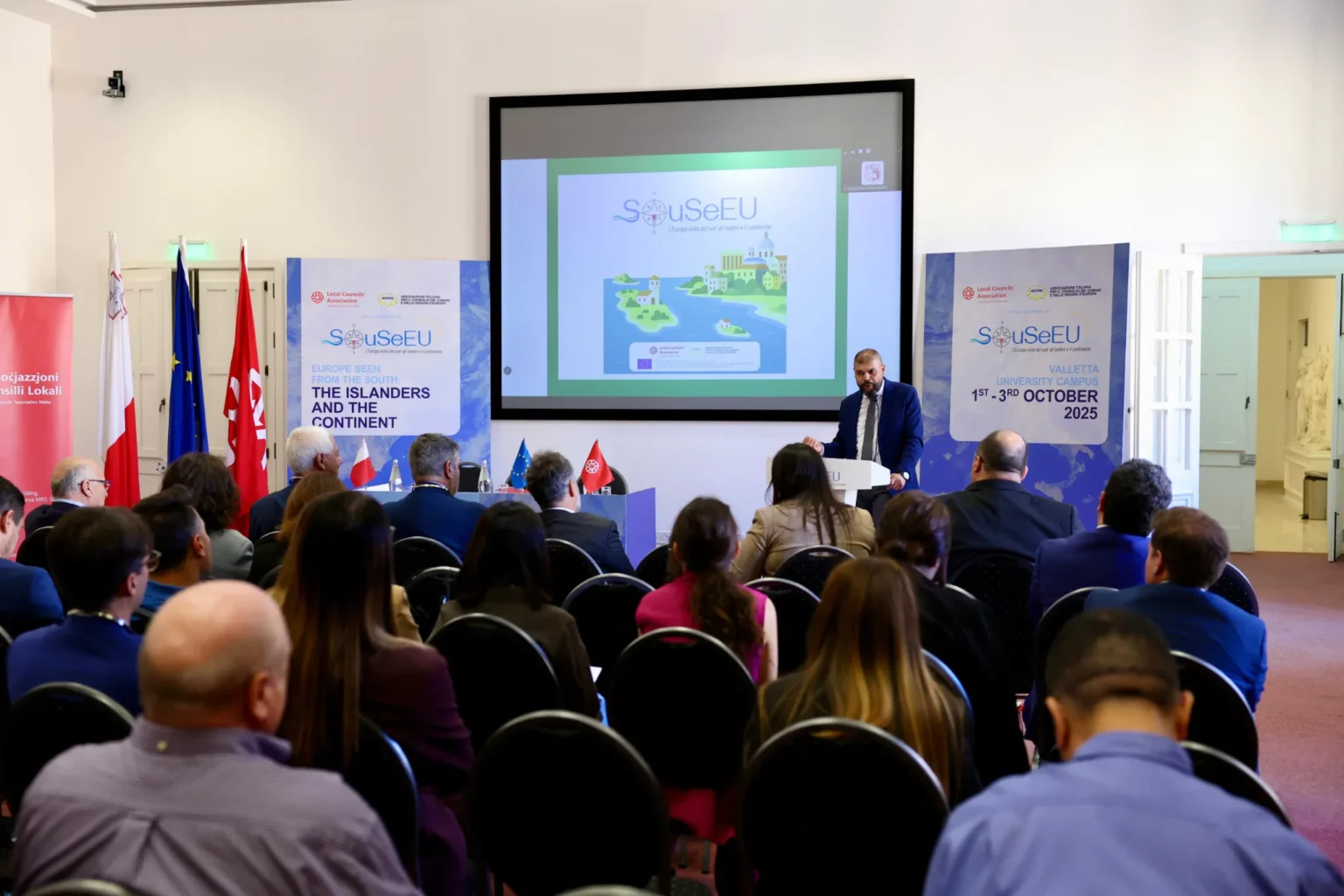
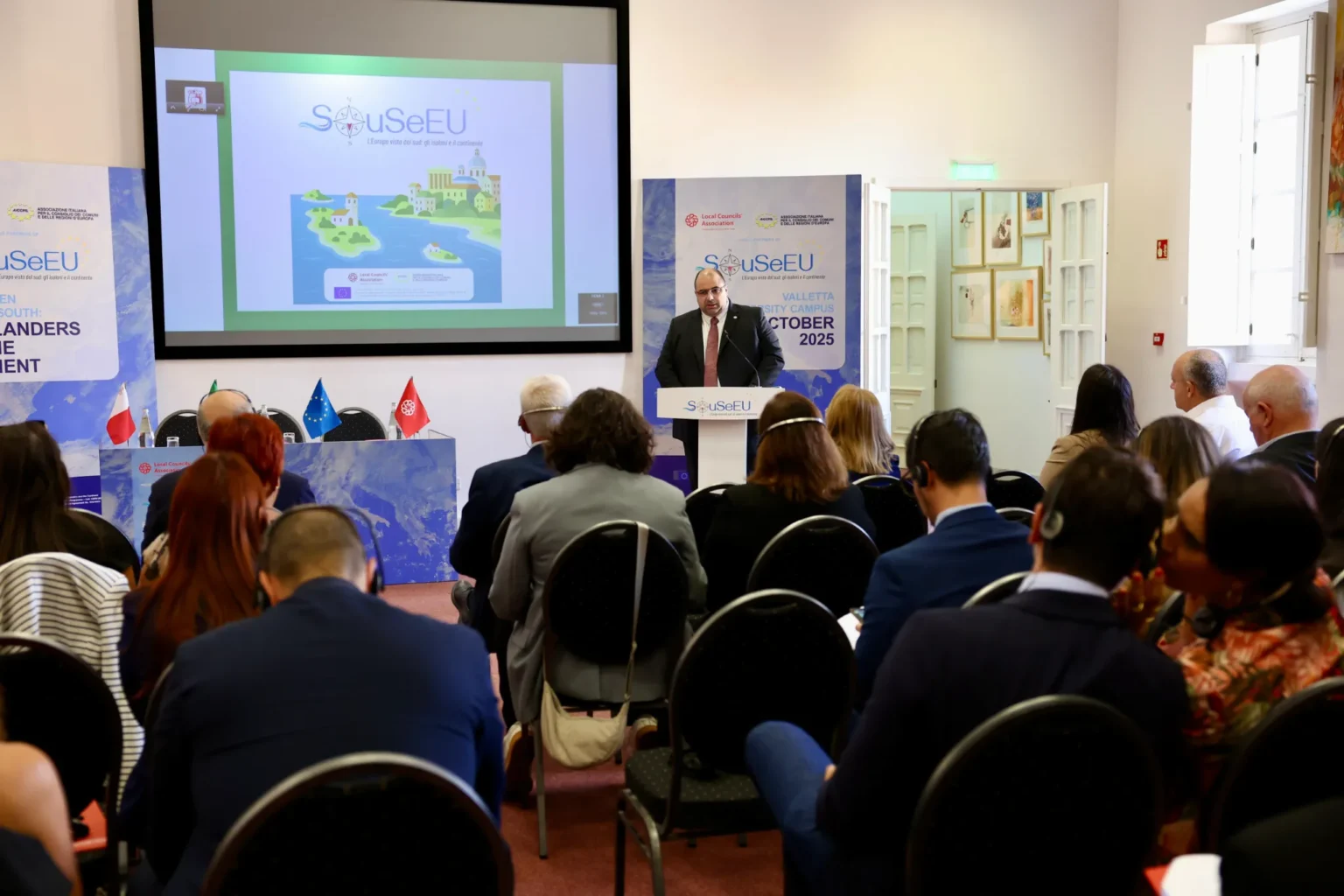
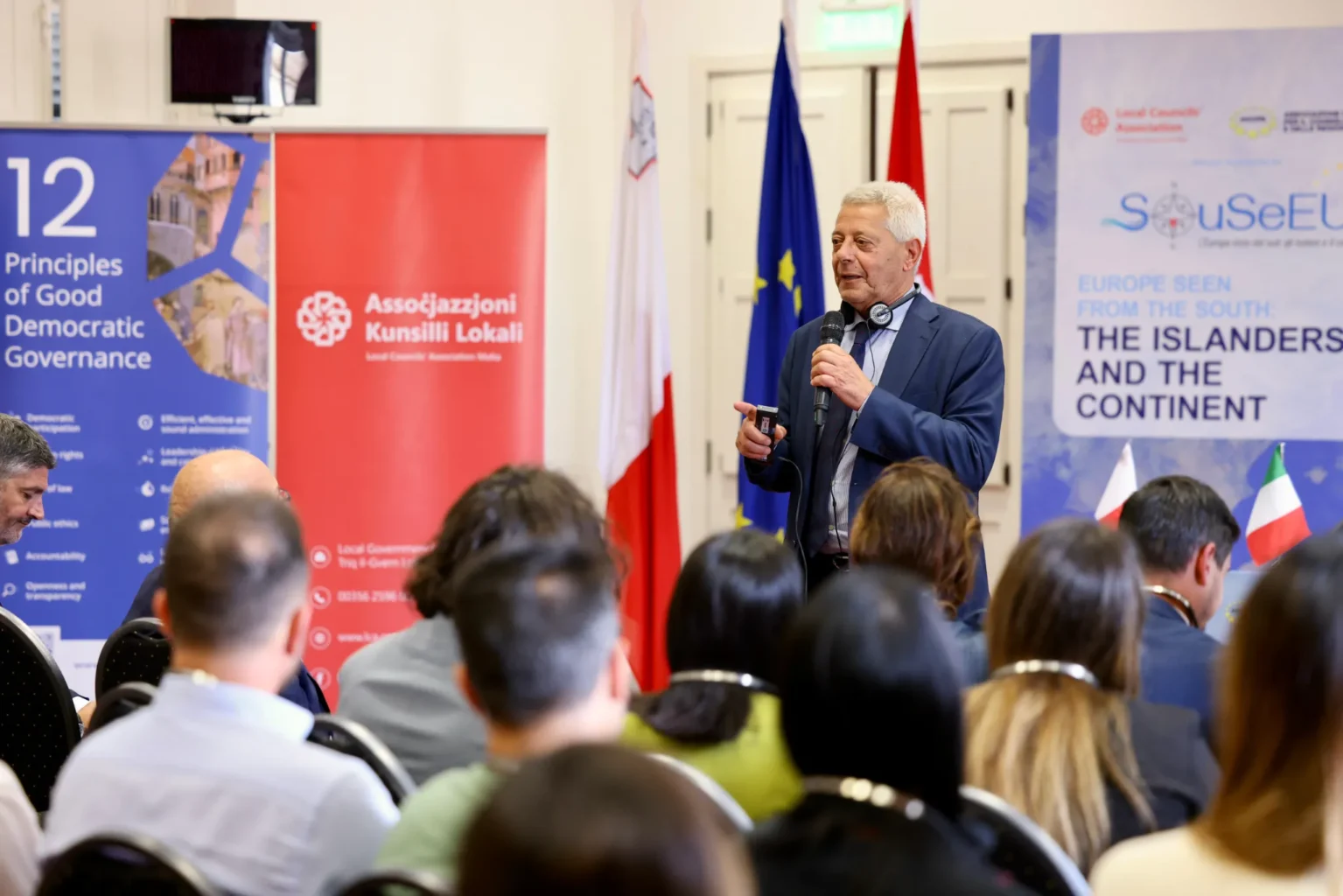
This week, Valletta becomes the stage for a unique gathering of island communities as delegations from Malta, Sardinia, and Sicily come together for the official launch of the SOuSeEU Project, a European initiative funded through the CERV Programme (Citizens, Equality, Rights and Values).

Running from 1–3 October 2025, the event features conferences, workshops, and cultural exchanges aimed at boosting cooperation between islands, promoting civic participation, and sharing best practices on sustainable local economies.

“This project gives our islands a stronger voice in Europe. By working together, we can build more resilient, innovative, and sustainable communities,”
saidMario Fava, President of theLocal Councils’ Association Malta, at the opening session.


A Platform for Exchange

Over 47 international delegates from local authorities, civil society, and the cultural sector are joining Maltese partners to explore common challenges and opportunities.

Topics on the agenda include:

  • Smart food and local economies
  • Sustainable tourism
  • Youth participation
  • Digital innovation and renewable energy
  • Governance and cooperation networks

The programme includes keynote interventions, case studies from successful European projects, and a brokerage session for participants to present new ideas for collaboration.


Looking to the Future

A highlight of the event will be discussions on the Pact of Friendship and Cooperation, designed to formalise long-term collaboration between the participating territories.

Delegates will also engage in the ELoGE Programme (European Label of Governance Excellence), focusing on communication, outreach, and benchmarking tools for local communities.


Celebrating Island Identity

Beyond policy dialogue, the Valletta meeting also highlights the islands’ cultural and identity dimension as a shared European value.

Networking dinners in Xgħajra and Rabat will allow participants to experience Maltese hospitality and traditions firsthand.

The SOuSeEU Project will run across several European islands, but its journey begins in Malta — underlining the country’s role as a hub for dialogue, innovation, and Mediterranean cooperation.


Mario Fava
President – Local Councils’ Association Malta

Read More
TIPS4UA

A Visit of Value: Ukrainian Delegation in Malta as Part of the TIPS4EU Project

In recent weeks, Malta had the honour of welcoming a delegation of Ukrainian representatives

Vice mayors, youth workers, and project managers working in local government formed part of the visit. The programme, organised under the TIPS4EU project, lasted around fifteen days and was filled with networking meetings, institutional visits, and valuable exchanges.

The true significance of this initiative lay not only in the professional content of the meetings but also in the powerful message of solidarity and support that the Maltese people, through the Local Councils’ Association (LCA), wished to send to the people of Ukraine during such a difficult and challenging time.


An Intensive and Diverse Programme

The programme was carefully designed to expose the Ukrainian delegation to various institutions and organisations that work closely with local councils and communities in Malta.

Their journey began in Gozo, where they were welcomed by the Gozo Regional Council and the Gozo Regional Development Authority (GRDA). A notable highlight was their meeting with President Emeritus Marie Louise Coleiro Preca, who introduced them to the work of the Foundation for the Wellbeing of Society and its various projects. Discussions also covered the role of children’s councils and their importance in promoting a participatory society.

The delegation also visited the reverse osmosis plant in Qala, which offered a practical demonstration of how Malta manages its limited water resources—an issue of vital importance for Ukraine’s own reconstruction and future sustainability.

Back in Malta, the programme continued with sessions at the Mediterranean Conference Centre (MCC), where the delegation also had the chance to attend the All Digital Summit, which coincidentally took place during the same period and brought together more than 300 European delegates. This overlap enriched the experience further, giving the Ukrainian visitors a unique opportunity to engage with peers from across the continent.

Throughout the visit, the delegation held meetings with a wide range of ministries, departments, and agencies, including the Ministry for Home Affairs, the Ministry for Social and Affordable Accommodation, the Human Rights Directorate, the National Audit Office, as well as organisations such as Aġenzija Żgħażagħ, the Malta Council for the Voluntary Sector, WasteServ, the Richmond Foundation, Caritas Malta, and Cooperatives Malta.

These encounters showcased Malta’s governance structures in action and demonstrated how local government works hand in hand with civil society to deliver sustainable, resident-centred solutions.


Key Lessons Learned

1. The power of institutional partnerships Malta’s collaboration model between local councils, ministries, agencies, NGOs, and communities provided a powerful example. For the Ukrainian delegation, whose own local structures have been severely affected by war, this cooperative approach offered inspiration for rebuilding strong, resilient institutions rooted in shared responsibility.

2. Youth as agents of change The visit to Aġenzija Żgħażagħ left a powerful impression. The Maltese approach views young people not only as beneficiaries but also as active contributors to community life. For Ukraine, this highlighted the crucial role the younger generation will play in reconstruction—not only in rebuilding infrastructure but also in restoring hope and a sense of belonging.

3. Transparent governance and accountability Meetings with the National Audit Office and the Ombudsman underscored the importance of transparency and accountability in governance. For Ukraine, rebuilding trust between citizens and the state will be vital, and Malta’s system provided a practical example of how independent oversight strengthens democracy.

4. Environmental sustainability with limited resources Visits to WasteServ and the Environment and Resources Authority (ERA) demonstrated how Malta has turned its small size and resource limitations into opportunities for innovation. For Ukraine, facing environmental damage due to the war, Malta’s example reinforced the importance of embedding sustainability into reconstruction strategies.

5. Social support and mental health Perhaps most moving were the encounters with the Richmond Foundation and Caritas Malta, where the delegation witnessed how Malta places human dignity at the centre of its social care system. In a country facing the deep psychological scars of war, Ukraine can draw on these lessons to build resilient communities and support long-term recovery.


The Role of the LCA and the Value of Maltese Hospitality

The Local Councils’ Association played a central role as coordinator and host. Its leadership, experience, and growing recognition on the European stage showed how a small country like Malta can offer substantial value internationally.

Through the LCA, Malta demonstrated its expertise in technological innovation, public administration, and EU-funded project implementation. This reputation as an “excellent partner” opens the door for future collaborations with other countries, including Ukraine, at a time when international partnerships are more critical than ever.


A Timely Convergence

It was no coincidence that the Ukrainian visit coincided with the All Digital Summit in Malta, which gathered hundreds of European delegates. While the two events differed in scope, they shared a common goal: to encourage knowledge-sharing, build connections, and strengthen cooperation across borders.

The Ukrainian delegation saw how Malta is increasingly recognised as a hub for European exchange, a reality that will undoubtedly contribute to deeper partnerships.


Conclusion: A Lesson in Solidarity and Hope

As the programme drew to a close, the Ukrainian participants expressed heartfelt gratitude to Malta and its people for their warm hospitality and the invaluable lessons and experiences shared. Each meeting, visit, and conversation became a testament to how a small country can create effective models of local governance, active communities, and citizen-centred services.

Despite the immense challenges Ukraine is currently facing, Malta offered a clear and powerful message of hope and solidarity. The delegation left with practical insights, but also with the courage that comes from knowing they are not alone in their journey of reconstruction.

The overarching lesson is universal: even in times of international crisis, rebuilding begins by sharing best practices, building bridges of understanding, and working together as partners.

Through the TIPS4EU project, Malta and the LCA provided more than a programme—they offered a story of solidarity and hope. In the heart of the Mediterranean, Malta has shown that even a small nation can play an integral role in Ukraine’s healing and reconstruction, and in shaping a stronger, more united Europe.

Mario Fava President

Read More
Business people making pile of hands. Teamwork concept.

Participatory Budgeting: Giving People a Voice in How Money is Spent

Introduction

Participatory budgeting (PB) is a democratic innovation that empowers residents to directly decide how to allocate part of a public budget. Originating in Porto Alegre, Brazil, in 1989, PB has grown into a global movement that strengthens transparency, deepens civic engagement, and fosters more inclusive decision-making at the local level. As governments strive to rebuild trust and encourage active citizenship, participatory budgeting is emerging as a valuable tool for involving people in shaping their communities.

What is Participatory Budgeting?

Participatory budgeting is a process where community members are involved in proposing, discussing, and voting on specific projects or policies that will be funded through a designated portion of the public budget. It typically involves several key steps:

1. Idea Collection – Citizens Submit Proposals

The idea is to allow every resident to contribute ideas to improve their community.

The process of such an initiative can take different forms. Residents are invited to share ideas for how to spend a portion of the public budget. Their submissions can be collected through public meetings, suggestion boxes, community outreach events, online platforms, or mobile apps. Ideas can range from physical infrastructure (like park benches or sidewalks) to social initiatives (like cultural events or youth programs).

The impact is positive because it encourages creativity, ownership, and engagement from a broad community. It also surfaces needs that local authorities may have overlooked and ensures that the PB starts with a bottom-up approach.

2. Proposal Development – Ideas Are Reviewed and Shaped into Feasible Projects by Working Groups

The main purpose of such working groups would be to turn these raw ideas into concrete, realistic, and costed project proposals.

A technical team (often composed of local council staff and elected members, civil society representatives, and sometimes volunteers) evaluates the ideas for feasibility. The proposals are refined to include location, estimated cost, timeline, and alignment with legal and planning regulations. Then, residents may be invited to participate in proposal development workshops to help prioritize and shape ideas.

This process ensures proposals are achievable and compliant with public policy and laws. It also builds a deeper understanding of budgeting and project planning among residents and encourages collaboration between technical experts and residents.

3. Voting – Residents Vote on the Projects They Want Funded

The community should directly choose which proposals should be implemented.

This can be achieved by creating a list of vetted projects and presenting it to the public. The voting methods can include in-person voting, online platforms, mobile apps, or ballots at community centres, libraries, or the local council’s office. Voting should be open to all residents (not citizens) of that particular defined area, sometimes with age lowered to encourage youth and child participation, depending on the proposal being put forward.

This process not only empowers residents but it also gives them a sense of belonging towards that particular project, a sense of ownership. Residents feel that they are truly part of the decision-making process. This increases transparency and legitimacy of public spending and strengthens democratic habits and trust in local government

4. Implementation – Local Authorities Carry Out Winning Projects

Here, the idea is to transform community decisions into concrete actions that improve the quality of life.

This way, the Local Council is responsible for delivering the winning projects using the allocated budget and project timelines and providing updates to the residents. This can be done through newsletters, emails, council meetings, social media, and local noticeboards.

Demonstrating civic engagement, building confidence in participatory processes, and reinforcing the accountability of local institutions will produce visible results.

5. Monitoring – Residents Help Track the Progress of Implementation

Residents should be involved in the monitoring process to ensure transparency and accountability in how public funds are spent and how decisions are made.

This can be achieved by inviting community members to form oversight committees or participate in regular check-ins. This way, updates on project progress (including delays, cost changes, or adjustments) are made available to the public. Such feedback mechanisms (like surveys or public forums) help keep the process dynamic and responsive.

The impact on the community will be a very positive one. It strengthens the culture of accountability, builds long-term trust in participatory governance, and encourages continuous improvement in future PB cycles.

Why It Matters

1. Empowering Communities

Participatory budgeting redistributes power by giving residents, especially marginalized groups, a say in how public resources are used. It helps create a sense of ownership and strengthens the social contract between citizens and institutions.

2. Improving Transparency and Trust – PB fosters accountability in an age of declining trust in institutions. Residents can see where their taxes go, reducing perceptions of corruption or inefficiency.

3. Better-Targeted Public Spending – Who knows a community’s needs better than its residents? PB often results in funding projects that align more closely with actual needs, such as street repairs, playgrounds, safety improvements, or cultural activities.

4. Boosting Civic Education – Participatory budgeting provides a hands-on experience of democracy, especially for young people. It teaches how public finance works, builds negotiation skills, and encourages civic responsibility.

Success Stories Around the World

  • New York City, USA: Over 30 city council districts have implemented PB, engaging thousands of residents, including immigrants and youth.
  • Paris, France: Since 2014, Paris has allocated €100 million annually to PB, funding community gardens, accessibility projects, and youth programs.
  • Madrid, Spain: residents have proposed and voted on everything from new sports facilities to green infrastructure, with over 400,000 participating in 2022 alone.
  • Lisbon, Portugal: One of the first cities in Europe to introduce PB, Lisbon made the process fully digital, increasing accessibility and participation.

Challenges and Considerations

Despite its benefits, PB is not without challenges:

  • Limited Budgets: Often, the portion of the budget allocated is too small to create systemic change.
  • Participation Gaps: Vulnerable or less vocal groups may still be underrepresented.
  • Administrative Complexity: Coordinating proposals, evaluations, and implementation requires strong institutional support and dedicated staff.
  • Risk of Tokenism: If not genuinely supported by political leadership, PB can become a symbolic exercise rather than a meaningful process.

Participatory Budgeting in Malta: A Missed Opportunity or a Future Priority?

In Malta, the concept of participatory budgeting is still in its early stages. While some local councils have consulted residents on specific projects, there is no formalized national framework for PB. Given Malta’s strong local government system and high levels of community engagement, introducing PB could:

  • Enhance transparency in local councils
  • Encourage youth and vulnerable group participation
  • Promote social cohesion in towns and villages

The Local Councils’ Association could pilot PB in a few localities, evaluate results, and progressively expand the initiative.

What are we recommending?

1. Pilot Projects at the Local Level Start with small-scale participatory budgeting projects in a few local councils with diverse populations. Instead of introducing participatory budgeting (PB) nationwide or across all local councils at once, this approach suggests starting small, by launching PB pilot projects in a select number of towns or cities.

This allows authorities to test and refine the process before a wider rollout. It helps gather data on what works, what doesn’t, and how citizens engage, and it creates “success stories” that can inspire other localities.

How to do it:

  • Select 3 to 5 local councils with different demographics and sizes.
  • Allocate a small, clear budget (e.g., €30,000–€100,000) for community-driven projects.
  • Ensure strong coordination with council staff and local stakeholders.
  • Document the entire process for transparency and learning.

2. Capacity Building for Local Authorities Train council staff and councillors on the process, facilitation, and digital tools needed for PB.

Participatory budgeting requires skilled facilitation, financial management, and outreach. Local councillors and staff need training to effectively manage the process and ensure it’s inclusive and transparent.

PB efforts may fail or be poorly managed without adequate knowledge and resources. So well-trained officials can facilitate genuine citizen involvement rather than just “consulting” them. But if administered properly, it helps shift mindsets toward a more participatory, service-oriented governance model.

How to do it:

  • Organise national workshops or online training modules on PB.
  • Create a toolkit or manual tailored to the Maltese local governance system.
  • Offer ongoing mentoring or peer-learning exchanges between councils.
  • Encourage collaboration between experienced NGOs and local authorities.

3. Engage Civil Society and Youth Organisations Partner with NGOs and schools to reach a broader demographic and increase participation.

Civil society organisations (CSCs), schools, and youth groups are key to mobilising participation, especially among those who might not otherwise engage, such as young people, immigrants, or the elderly.

This matters because Civil Society Committees, have grassroots connections and can reach underrepresented communities. On the other hand, youth engagement fosters early civic awareness and long-term democratic participation. At lower age groups, schools can use PB as an educational tool to teach democracy in action.

How to do it:

  • Partner with youth centres, student councils, and community organisations.
  • Involve NGOs in co-designing outreach campaigns and facilitating discussions.
  • Introduce school-based participatory budgeting projects — even with symbolic budgets — to teach the concept to students.
  • Provide small grants to CSOs to help mobilise local communities.

4. Ensure Accessibility and Inclusion Both online and offline methods should be used to ensure that the elderly, migrants, and the digitally excluded can participate.

Participatory budgeting must be open and accessible to all residents, regardless of age, language, ability, or digital access. This means designing the process with inclusion at its core.

This is because without inclusion, PB risks amplifying the voices of the already empowered and excluding others. Accessibility strengthens legitimacy and ensures that funded projects reflect the diversity of the community. Participation should not depend on education level, internet access, or social status to be inclusive.

How to do it:

  • Provide information in multiple languages and accessible formats.
  • Use digital and face-to-face methods to collect ideas and votes (e.g., mobile units, postal ballots, town hall events).
  • Schedule meetings at accessible venues and times convenient for working people and caregivers.
  • Include facilitators to support people with disabilities or literacy challenges.

5. Create a National Participatory Budgeting Framework Guidelines and sharing of  best practices across regions should be encouraged to standardise and sustain the practice.

This is important because a national framework would set out principles, guidelines, and support mechanisms to scale up PB coherently and sustainably across the country.

We must ensure consistency in how participatory budgeting is implemented across regions. This will provide legal and institutional backing that protects the process from political changes. It also helps align PB with national strategies on transparency, inclusion, and good governance.

How to do it:

  • Develop a framework document through consultation with local councils, NGOs, and citizens.
  • Set minimum standards (e.g., budget amount, voting eligibility, transparency rules).
  • Establish a national PB support unit or working group within the Ministry for Local Government or the Local Councils’ Association.
  • Monitor and evaluate outcomes, and regularly update the framework based on lessons learned.

Conclusion

Participatory budgeting is not merely a financial exercise but a powerful tool for inclusive democracy, community empowerment, and responsive governance. It enables residents to move from being passive recipients of services to active shapers of their communities. When residents are trusted with real decision-making power over public funds, it strengthens transparency, fosters civic pride, and enhances social cohesion.

At the heart of this democratic innovation stands a key enabler: local government, particularly local councils and, importantly, the Local Councils’ Association (LCA). While individual councils are the frontline actors engaging with their communities, the LCA has a unique and strategic role in embedding participatory budgeting into Malta’s local governance landscape.

As the national body representing and supporting local councils, the Local Councils’ Association can lead the way by:

  • Developing a national framework for participatory budgeting tailored to Malta’s local realities.
  • Offering training and capacity-building programs to equip councillors and staff with the tools and skills to manage inclusive and transparent PB processes.
  • Coordinating pilot projects across different localities, ensuring shared learning, equity, and standardisation of good practices.
  • Facilitating partnerships with civil society, educational institutions, and national government bodies.
  • Promoting innovation by supporting digital tools and inclusive outreach methods that ensure participation across all age groups and social backgrounds.

The LCA also has a critical role in championing the integration of Children’s Councils into participatory budgeting. This not only instills democratic values from an early age but also ensures that the voices of young residents are heard and reflected in local decision-making. Children’s Councils can design child-focused proposals, participate in deliberation and voting processes, and advocate for safe, inclusive, and youth-friendly public spaces and initiatives.

By taking a proactive leadership role, the Local Councils’ Association can elevate participatory budgeting from a local experiment to a national best practice, deeply embedded in the values of subsidiarity, transparency, and citizen empowerment. Together with local councils and Children’s Councils, the LCA can help create a new democratic culture, one where decision-making is closer to the people, more representative of their needs, and more focused on long-term well-being.

Ultimately, participatory budgeting is not just about allocating funds, it is about building stronger communities, fostering mutual trust, and shaping a shared future where every resident, young and old, feels their voice matters.

Mario Fava

President
Read More
localdemocracy

The Importance of Local Democracy and Its Connection to Residents

Local democracy is the bedrock of effective governance, as it directly influences residents’ lives in tangible ways. It encompasses the systems, structures, and processes that allow communities to participate in decision-making at a local level. Emphasizing local democracy not only fosters greater citizen engagement but also ensures that residents’ unique needs and concerns are heard and addressed.

Empowering Residents

At its core, local democracy empowers residents by giving them a voice in their community’s affairs. Whether through town hall meetings, local councils, or participatory budgeting processes, residents can express their opinions, prioritize community needs, and influence policies that affect their daily lives. This empowerment fosters a sense of ownership and responsibility among residents, encouraging them to participate actively in the democratic process.

Enhancing Accountability

Local democratic institutions enhance accountability by ensuring that elected officials and local representatives are directly answerable to their constituents. When residents have a say in local governance, they are more likely to hold their leaders accountable for their actions and decisions. This direct line of communication promotes transparency and reduces the likelihood of corruption, leading to more ethical governance.

Tailoring Solutions to Local Needs

One of the most significant advantages of local democracy is its ability to tailor solutions to a community’s specific needs. Unlike centralized governance, local authorities can respond to unique challenges, cultural nuances, and socio-economic conditions that characterize their areas. Engaging residents in decision-making allows for more relevant and effective policies, ensuring that resources are allocated where they are most needed.

Fostering Community Cohesion

Local democracy also plays a crucial role in fostering community cohesion. When residents participate in local governance, they connect, build relationships, and work towards common goals. This sense of community encourages collaboration, mitigates social tensions, and cultivates an inclusive environment where diverse voices are celebrated.

Challenges and Opportunities

Despite its importance, local democracy often faces challenges, including apathy among residents, limited access to information, and systemic barriers that hinder participation. Overcoming these obstacles requires innovative approaches, such as utilizing technology for virtual meetings, enhancing civic education, and creating inclusive forums for discussion. By addressing these challenges head-on, communities can revitalize local democracy and foster a culture of engagement.

Conclusion

In conclusion, local democracy is vital for creating responsive, accountable, and inclusive governance. Its direct connection to residents ensures that their voices are heard and valued in shaping their communities’ future. By actively participating in local democracy, residents can build a resilient and vibrant society that reflects their collective aspirations and values. Engaging in this process is not just a right; it is a responsibility that enriches community life’s fabric.


Mario Fava

President

Read More
WhatsApp Image 2024-09-30 at 12.47.22 (3)

Association of Local Councils Launches Pivotal Training Program for the New Legislature

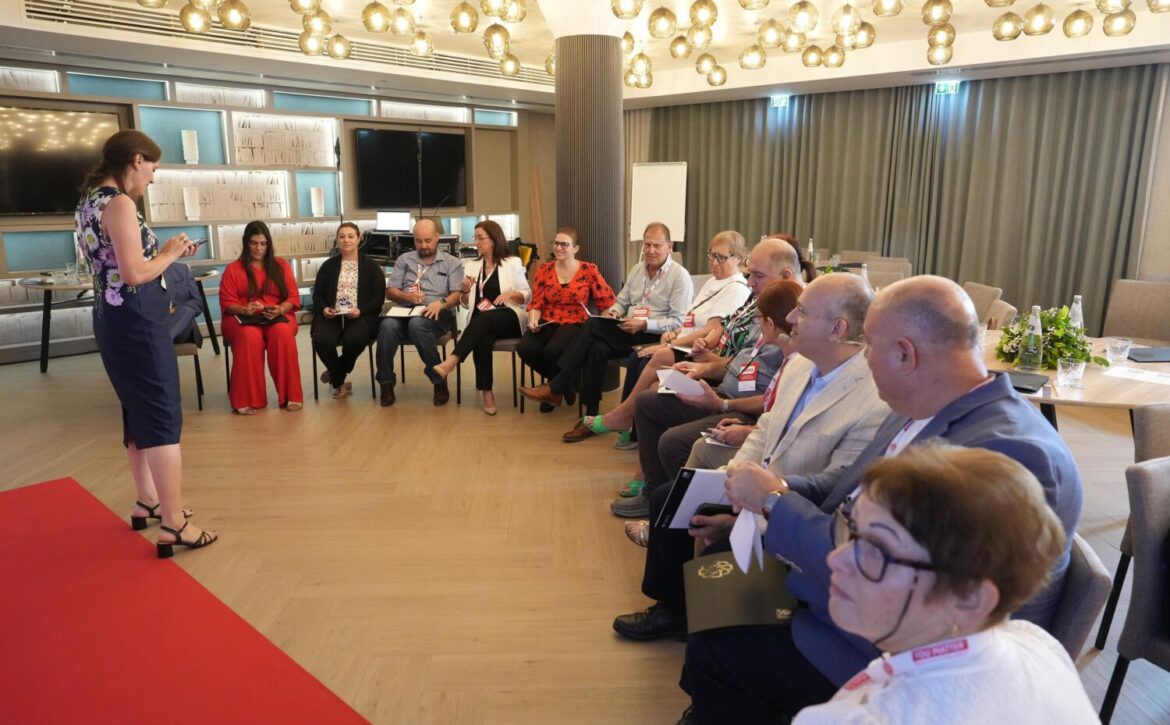
The Association of Local Councils is currently conducting a series of training sessions, primarily for elected members, to equip them with the necessary tools to fulfill their responsibilities as mayors and councilors in the best way possible. This training is also targeted at executive secretaries and the employees of Local Councils. We do this because we believe that for a Local Council to function effectively, there must be full synergy between the elected members and the administrative team.


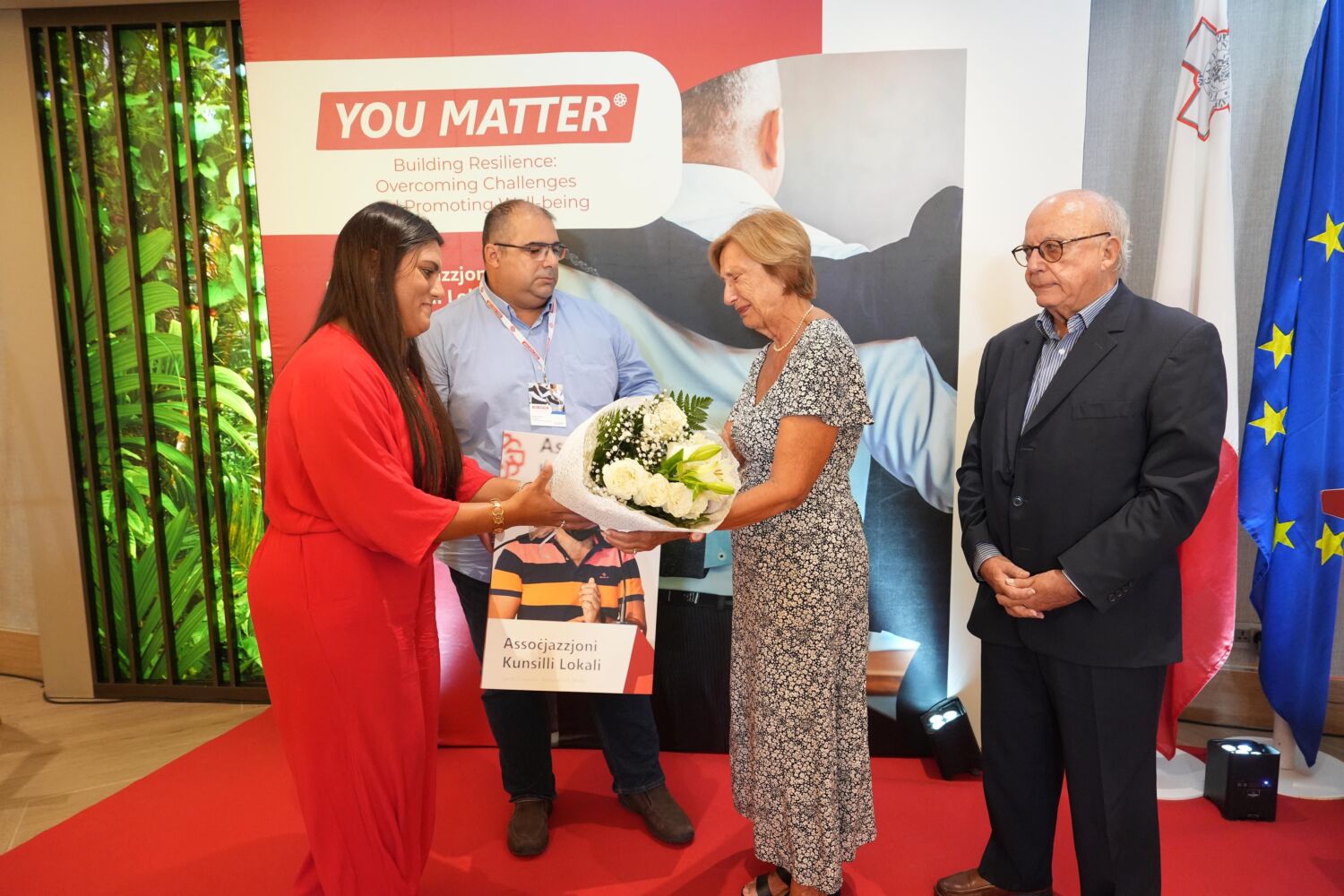
You Matter

This is a project that the Association launched a few months ago, providing elected members and employees with the opportunity to attend free sessions with professionals specializing in mental health. Through this initiative, anyone facing difficult moments that are affecting their lives can benefit from psychotherapy, psychiatry, and prevention services, helping them regain balance and well-being. This support aims to offer guidance and care, ensuring that those in need have access to the right tools to get back on track and thrive in their roles.

This project also includes a series of four seminars spread across the year, featuring interactive workshops. These sessions aim to raise awareness about the services available while fostering open discussions that encourage participants to recognize their potential. The seminars are designed to help individuals discover how they can apply their skills in everyday life to overcome challenges. By empowering attendees with knowledge and practical tools, the program seeks to build resilience and enable them to navigate obstacles more effectively, both in their personal and professional lives.

Karl Gouder

During the same event, the Association of Local Councils paid a fitting tribute to Karl Gouder, who throughout his life served as a councillor, mayor, and shadow minister for Local Councils in the Opposition. His parents were in attendance and watched a short video showcasing the various activities Karl participated in alongside the Association. In his memory, they were also presented with a commemorative photograph, a gesture to ensure that Karl’s legacy and contributions to the community are always remembered. The heartfelt tribute honoured his dedication to public service and left a lasting impression on those present.

Financial Figures as a Leadership Tool

Spread across three sessions on September 26, 30, and October 3, training has been provided on how councillors or mayors can better understand the interpretation of Financial Statements (FS). FS are a very important tool as they allow the council to assess its financial standing and, based on this, approve new expenditures or projects. This also reaffirms the importance of having these FS prepared on time and, before approval, ensuring that all councillors fully understand the financial picture being presented up to that point.

Indeed, like any other organization, the Financial Statements must be prepared every three months. To ensure that the year-end Financial Statements are completed on time, it is essential that the quarterly statements are closed promptly. A council cannot find itself in June or July with the Financial Statements for January to March still awaiting approval. By that point, the council should already be positioned to begin finalizing the Financial Statements for the period of April to June. Timely preparation and approval are crucial for maintaining a clear financial picture and facilitating informed decision-making for future expenditures and projects.

In addition to all this, during the training sessions, participants had the opportunity to work hands-on with the Financial Statements of their respective councils. They were able to ask questions and discuss various topics. Among the subjects covered were the proper use of nominal accounts, what constitutes income and expenditure, and the importance of maintaining an updated Fixed Assets Registry. The discussion also emphasized the significance of budgeting and the need for regular checks every quarter to avoid ending the year with a deficit. Participants explored the difference between a deficit and accumulated debt, as well as the critical role of payment schedules, among other important topics. This interactive approach not only enhanced their understanding of financial management but also equipped them with practical skills to apply in their roles as councilors and mayors.

During the session on October 3rd, priority and importance were given to the ‘Business Plan’ (BP). The BP is a crucial tool that should be developed based on electoral manifestos—what has been promised to the residents—along with a clear plan outlining how and when these promises will be implemented. Naturally, it must also be aligned with the funds available to the Council, the allocated budget, and other potential funding opportunities the Council expects to receive.

This BP should be updated as necessary, though ideally, it would be drafted professionally from the start to avoid unnecessary changes later on. A well-prepared and structured plan ensures smooth execution and minimizes the need for revisions, thus facilitating more efficient management and resource allocation. The goal is to ensure that the Council’s commitments to the community are realized in a timely and financially sustainable manner.

Throughout the month of November, three additional important training courses will be organized, focusing on key skills for business operations. These courses will cover the use of the Sage accounting package, which is essential for efficient financial management; a course on Business English, aimed at improving professional communication and writing skills; and a course on WordPress, where participants will learn how to effectively use and update websites.

These training sessions are designed to enhance both technical and communication skills, ensuring participants are well-equipped to manage financial tasks, communicate more effectively in a business environment, and maintain a strong digital presence.


Well-being of the elderly in our communities

On October 11th, Mayors, Councillors responsible for elderly affairs, and Executive Secretaries were invited to attend an informational meeting about a community initiative that could greatly benefit our elderly population.

All Local Councils were offered a free program consisting of well-being sessions tailored for the elderly members of their communities. This program took a holistic approach to well-being, covering physical, mental, psychological, and social aspects, ensuring that our seniors receive comprehensive support to enhance their overall quality of life.

As our population continues to age, it is becoming increasingly vital to ensure that our elderly community remains engaged, healthy, and well-supported. We are proposing a pilot program that includes a three-hour “Wellbeing Taster Session” specifically designed for senior residents across various localities.

This initiative can become part of the activities that you, as the Councillor responsible for elderly affairs, can offer to your community. By implementing this program, you’ll be providing seniors with valuable opportunities to stay active, connected, and involved, contributing to their overall well-being.

There is robust scientific evidence demonstrating the importance of physical activity, cognitive engagement, and social health in reducing the incidence of chronic conditions among the elderly. For instance, a study published in The Lancet found that regular physical activity can reduce the risk of heart disease and stroke by up to 35%, and delay the onset of dementia and Alzheimer’s disease by approximately 30% (Lee et al., 2012).

Additionally, research from the Journal of Alzheimer’s Disease highlights that cognitive engagement and social interaction are strongly associated with a lower risk of developing Alzheimer’s and other forms of dementia (Wilson et al., 2013). These findings emphasize the need for holistic approaches to well-being, targeting both physical and mental health, to support healthier aging.

Moreover, when our elderly are more active and engaged, they can continue contributing to the community, whether through volunteering, mentoring, or simply by being active participants in local life. This initiative will ultimately foster a more inclusive, connected, and resilient environment, where all members—regardless of age—feel valued and supported. By encouraging active involvement, we can create a stronger sense of community and ensure that everyone has a meaningful role to play.

The Association sees great value in Local Councils, recognizing that they can act as catalysts to drive similar initiatives within the community. This will allow us to stay relevant to the evolving needs and changes we are witnessing in society.

With this in mind, an invitation will be extended to Councillors, where the program will be explained to them. This will empower them to offer something unique and meaningful to our elderly, who, after all, are an integral part of our communities. By engaging in this initiative, Councils can enhance the well-being of their senior residents and foster a stronger sense of community inclusivity.


Mario Fava

President

Read More
pexels-riciardus-185801 (1)

Let’s create a space where no one ever feels isolated

It’s perfectly okay to feel down from time to time. We’ve all faced moments like that in our lives. Occasionally, life’s pressures can become overwhelming, and during those times, we need someone who can listen and truly understand what we’re going through. This is the essence of mental health—acknowledging that everyone needs support now and then.

The real question is: Can we recognize when we’re feeling isolated and take that crucial step to seek help? Whether it’s confiding in a friend, a family member, a therapist, or anyone who will listen, we must continue the conversation to shatter the stigma and build a world that’s more understanding.

Many of us grew up in environments where mental health was dismissed as something deceptive, as if struggling with it was a betrayal to society or a sign of personal failure. There was a time when talking about anxiety or depression as a legitimate illness would be instantly disregarded. Worse still, society often rejected not just the idea but the individual themselves.

Sometimes, our own attitudes unknowingly fuel the stigma, and this can be damaging, as it stops us from reaching out for help when we need it the most. This only deepens the struggle. By accepting or overlooking the stigma, we allow it to become a part of our reality—the status quo. Without realizing it, we begin to believe that who we are in this moment is all we’ll ever be, that change isn’t possible, and that no one else in the world shares our experience. This can lead to the harmful belief that no one can offer us help.

As parents, it’s crucial that we recognize this, because our children learn primarily through our actions. They observe us closely and imitate what we do, often more than what we say. At times, we may tell them one thing but act in a completely different way. This inconsistency can send a confusing message, especially when our children need to feel comfortable opening up and sharing their emotions with us.

There’s another critical element we must acknowledge—one that cannot be ignored. If our children don’t turn to us, they will inevitably seek comfort elsewhere, whether that be in other individuals or in things they find more relatable. They might turn to the internet for answers, connect with peers grappling with similar struggles, or emulate examples that align with their beliefs and aspirations. This leads to a sobering truth: before we even recognize the gravity of the situation, we may find ourselves facing a cascade of issues and challenges that our children have unwittingly become ensnared in.

We must never dismiss this as improbable or assume we are overstating the severity, particularly when confronted with heartbreaking instances of children attempting suicide. When I mention “children,” I mean individuals of all ages. My son, who is now 26, remains my child, and as a parent, I carry the weight of my son’s struggles—a pain that only those who have experienced it can fully understand. If we find ourselves at this juncture, it indicates that we are awakening far too late, for what has happened or what has been lost is beyond our power to change.

However, we have the power to prevent this from happening. We can achieve this by keeping the conversation about mental health open and honest. By sharing our own stories, we can help break the stigma surrounding these issues. This involves creating a safe space for dialogue—a welcoming environment where our children feel comfortable coming to us when they need support. It’s essential that we convey to them that they are not alone and that there will always be someone ready to listen and understand.

Mental health encompasses our emotional, psychological, and social well-being, influencing how we think, feel, and behave. It’s important to recognize that mental health is a fluid concept; it isn’t simply a binary definition denoting the absence of mental illness. Instead, it represents a spectrum of experiences and conditions.


Mental health is an expansive term that encompasses a wide range of facets. For instance, it includes:

  • Our strategies for coping with stress
  • Our capacity to connect with others
  • Our ability to reach our goals and fulfill our aspirations
  • Our resilience when confronted with challenges
  • Our readiness to navigate unforeseen circumstances, such as illness, and more.


In essence, mental health serves as a reflection of our overall well-being, fluctuating much like physical health does over the course of our lives.

When our mental health is in a positive state, we tend to be more productive, experience a sense of purpose, and manage stress more effectively.

Conversely, poor mental health can lead to serious and debilitating challenges. The warning signs are often evident to those willing to pay attention, and it is our duty to identify them early in our children, loved ones, or friends. While these signs may be present, they can easily be overlooked amid the chaos of our daily lives.

These signs may manifest as:

  • Irregular sleep patterns, whether that means oversleeping or not getting enough rest
  • A withdrawal from regular activities
  • Persistent feelings of low energy
  • Heightened conflicts or arguments with family and friends
  • Significant mood swings that disrupt relationships
  • An overwhelming sense of confusion, forgetfulness, anger, frustration, anxiety, or fear


It’s often easier for us to notice changes in our surroundings because our brains have evolved to detect significant threats rather than the more subtle shifts in people’s attitudes.

Take, for instance, the scenario of walking down the street and hearing a noise behind you. Instinctively, you become more alert, your senses heightened as you perceive potential danger. Whether or not a vehicle is approaching in a safe manner becomes irrelevant; your instinct drives you to pause and assess the situation. Your mind triggers an alarm, reinforcing the idea that it’s always wiser to be cautious than to face the regret of having ignored a possible threat.

Yet, during that same walk, you might overlook subtle changes, like a house that stood yesterday but is gone today. This is because a house collapsing is a change we’ve learned to recognize, unlike an abrupt event that commands your focus, such as a car honking behind you. If a building has been there for years, its surroundings may shift gradually, but it doesn’t compare to a sudden, alarming occurrence. Consequently, a fallen house may not capture your immediate attention. Similarly, small changes in the realm of mental health can remain undetected for years or even decades.

These early warning signs frequently mirror the symptoms of puberty, which is why many parents may overlook what’s happening. It’s not always clear what we should be vigilant for; the subtle indicators can easily slip under the radar, especially when we can rationalize them with other harmless explanations.

Yet, even if you sense something is amiss, what actions can you take?

Without personal experience or a way to relate, it can be challenging to support someone in need.

That’s why it’s valuable to delve into and grasp some common mental health conditions from the viewpoint of those who face them. Two of the most prevalent issues are stress and anxiety.


How Anxiety Feels

Anxiety presents itself as a persistent sense of unease, where life seems poised to change unexpectedly, yet the details remain elusive. It embodies a deep-rooted fear of what the future may hold. Those grappling with anxiety often find themselves so consumed by worry and dread that concentrating on anything else becomes an insurmountable challenge.

Anxiety goes beyond simply feeling nervous before a significant presentation or anticipated event. For those grappling with anxiety, that sensation is almost always present. Common symptoms include a racing heartbeat, a tightness in the chest, and an overwhelming urge to cry as a means of solace. During these times, individuals experiencing anxiety seek compassion and a listener who can offer support without overwhelming them with questions.

Many of us feel this kind of sensation before an event, whether it’s an activity, an exam, or a job interview. Even those who are simply meeting unfamiliar faces can experience it. At times, the weight of anxiety can feel so heavy that the instinct is to retreat to a corner, curling up and hugging oneself for comfort. During these moments, the mind can play perilous tricks, making it all the more important for individuals to have someone who reassures them that they are not alone in their struggles.

This is the reality for those grappling with anxiety—it’s an ever-present shadow.

We must tread carefully with the words we choose, as what may sound trivial to us can carry immense weight when spoken by someone battling this condition. Expressions such as:

  • “I’m not feeling well at all today.”
  • “Nothing seems to be going right for me.”
  • “I’m exhausted by this life.”
  • “I can’t seem to find any peace.”
  • “I see no hope for my future.”

During these moments, silence often communicates more than words ever could, hinting at profound struggles and emotions that remain unexpressed.


Do you know someone who struggles with anxiety?


It’s essential to recognize that their thought processes differ significantly, which means it often requires greater levels of patience from those around them. What we consider normal and manageable stress can feel overwhelming and monumental to them. Their reactions to various situations can also vary widely. We must be mindful of this and avoid being indifferent.

Think of it as an alarm system that’s been set to overly sensitive. Just like a smoke detector that goes off without any actual fire, the turmoil caused by anxiety can render life incredibly challenging.

Anxiety disorders come in various forms, yet they all share a common thread: an overwhelming sense of fear or worry in situations where most people feel safe.

It’s essential for us to exercise patience. Encouraging them to articulate their thoughts can foster a deeper understanding on our part. By taking the time to comprehend their experiences, we can cultivate a supportive environment that helps them reclaim their sense of control.


We Care

The events we recently supported have left everyone in shock, prompting me to deeply reflect on the vital work the Local Councils Association is doing for the employees and elected members of our local councils.

In March of this year, a free counseling service was introduced, offering vital support to anyone grappling with personal challenges. This initiative serves as a lifeline, providing solace, refuge, and professional guidance to individuals navigating difficult circumstances, such as the emotional strain of separation, the shock of an unexpected medical diagnosis, the grief of losing a parent or child, or the heartache of being distanced from their children due to legal battles. These are situations that can affect anyone, regardless of how ‘normal’ or put-together their lives may appear from the outside. This service recognizes that beneath the surface, we all face struggles that require compassion and understanding.

What really is normal? Isn’t everyone, at some point, silently navigating one of the very challenges I’ve just described? Haven’t we all known a relative or friend who has faced these struggles at some stage in their life? And the real question is—how are we, as individuals and as a community, addressing and supporting one another through such difficult times? How do we show up when life presents these trials?

That’s why I believe this project is of great help, not only in assisting individuals to regain stability in their lives but also in providing them with the necessary tools and knowledge on how to conduct themselves, even in the workplace.

We must never lose sight of the fact that every life holds immense value. Our efforts should extend beyond merely preventing suicide attempts—we must also strive to uplift those in distress, ensuring they are supported in building a fulfilling life, not merely surviving. It’s about creating an environment where people can thrive, not just endure, and helping them find meaning and joy, even in the face of adversity..

This is a responsibility we all share, not just as a compassionate community and nation, but because what we may overlook today could very well become our own reality tomorrow. Life has a way of reminding us that, from the sky to the ground, we are all equal. No one is immune to hardship, and it’s our duty to stand together, lifting one another up, knowing that the roles could easily be reversed.


Mario Fava

President

Read More
pexels-tim-samuel-5835362 (1)

Towards a more respectful society: The importance of understanding and valuing others’ feelings

Introduction

In the wake of recent events I witnessed in Ħamrun, I feel compelled to reflect on the vital importance of fostering a society that embodies respect and compassion toward one another. As we delve into the concept of creating a compassionate community, we must consider why it is essential to understand and honour the feelings of others, even when we might not share their perspectives.

In a world where empathy and respect seem to be lacking, it is more important than ever to cultivate these qualities within ourselves and in our communities. By developing a deeper understanding of the emotions of others, we can build stronger connections, improve our relationships, and create a more harmonious society. This journey toward empathy and respect must begin early in life, as I worry that the current generation may already be drifting away from these essential values.

The Importance of Empathy

Empathy is the ability to understand and share the feelings of others, playing a crucial role in our emotional and social development. It enables us to connect with those around us and fosters deeper relationships. When we practice empathy, we can step into someone else’s shoes and view the world from their perspective, cultivating understanding, compassion, and a sense of unity.

The benefits of empathy extend to both personal and professional relationships. It helps us navigate conflicts, resolve misunderstandings, and build trust among peers. By demonstrating empathy, we create a safe space for others to express their emotions and feel truly heard. This not only strengthens our connections but also promotes a profound sense of belonging within our communities

Building Emotional Intelligence

What exactly does it mean to build emotional intelligence? At its core, emotional intelligence is the ability to recognize, understand, and manage both our own emotions and those of others. It encompasses several key components, including self-awareness, self-regulation, motivation, empathy, and social skills.

A fundamental aspect of emotional intelligence is the understanding of others’ feelings. By honing our emotional intelligence, we become more attuned to the emotional landscapes of those around us. This heightened awareness enables us to respond in thoughtful and supportive ways, fostering stronger relationships and deeper connections with others.

To enhance our emotional intelligence, we can engage in practices such as self-reflection, mindfulness, and active listening. These strategies not only help us become more aware of our own emotions but also empower us to empathize more effectively with others. By investing in our emotional intelligence, we can create a more compassionate and understanding environment in our personal and professional lives.

Improving Communication Skills

Effective communication is vital for truly understanding the feelings of others. It encompasses not only the ability to express ourselves clearly but also the crucial practice of actively listening to those around us. Active listening is a skill that enables us to fully engage with the speaker, grasp their perspective, and respond with empathy.

To enhance our communication skills, we can adopt various active listening techniques. For instance, maintaining eye contact demonstrates our attentiveness and understanding, while paraphrasing allows us to confirm our comprehension of what has been said. By refining our communication skills in these ways, we foster an environment where others feel valued and genuinely understood. This creates a foundation for deeper connections and more meaningful interactions.

Cultivating a Culture of Respect

Perhaps the most crucial element in our interactions is respect. It serves as a cornerstone for understanding and valuing the feelings of others. Respect entails treating individuals with dignity, honouring their perspectives, and appreciating their emotions. To cultivate a culture of respect, we must commit to active listening, validate others’ experiences, and practice non-judgmental attitudes.

In both personal interactions and within our society at large, promoting and embodying respect can pave the way for a more inclusive and compassionate community. When we honour the feelings of others, we foster an environment where everyone feels safe to express themselves authentically. This nurturing atmosphere strengthens trust, enhances understanding, and encourages collaboration among individuals, ultimately enriching our collective experience.

Teaching Empathy and Respect to Children

Parents and educators play a pivotal role in instilling empathy and respect in children. By embodying these qualities in our daily interactions, we can inspire the next generation to adopt empathy and respect as fundamental values. This effort is essential not only within the walls of our schools but also in our homes. The respect—or lack thereof—that we demonstrate towards one another, including how we request things, express appreciation, and engage in daily activities, along with the language we use, profoundly influences children.

To effectively nurture empathy and respect in young minds, we can employ practical strategies such as encouraging perspective-taking, promoting acts of kindness and compassion, and providing ample opportunities for social interactions. These approaches can have a lasting impact. By teaching these essential skills early, we equip children with the necessary tools to navigate relationships, resolve conflicts, and contribute positively to a compassionate society. This lays a hopeful foundation for a better tomorrow.

Overcoming Challenges in Understanding and Respecting the Feelings of Those Around Us

While grasping and respecting the feelings of others may appear straightforward, various obstacles can impede our ability to do so. These challenges often stem from biases, stereotypes, a lack of awareness, and an excessive pride that serves no purpose.

To navigate these hurdles, we must commit to self-reflection, question our assumptions, and actively seek out diverse perspectives. Additionally, educating ourselves about different cultures, backgrounds, and experiences is essential. By consciously working to dismantle these barriers, we can foster a deeper understanding and greater respect for the feelings of those around us.

Conclusion

Understanding and respecting the feelings of others is vital for nurturing a compassionate society. By cultivating empathy, emotional intelligence, and effective communication skills, we can forge deeper connections, strengthen our relationships, and promote a culture of respect. As parents, educators, and individuals, we hold the power to shape a more empathetic and compassionate future.

If we successfully foster these qualities, we may witness a decline in negative incidents like those seen in Ħamrun. Perhaps the prevailing “alabiebi” reckless attitude on our roads will improve, leading to more considerate driving. Instead of reacting defensively when receiving a fine, I might take a moment to reflect and acknowledge my own mistakes. When feeling rushed, I could choose to drive more cautiously, prioritizing the safety of others.

All these changes contribute to healthier societies and more cohesive communities. We envision more inclusive neighbourhoods where residents experience a genuine sense of belonging to their surroundings. Ultimately, this is how we can enhance the quality of life for ourselves and those around us.


Mario Fava

President
Read More
pexels-energepic-com-27411-110473 (1)

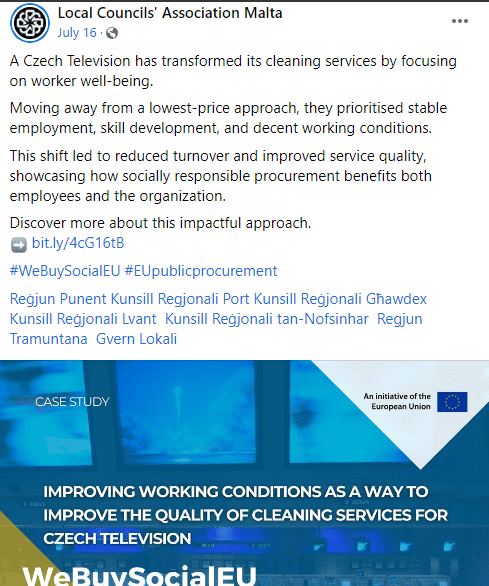
Socially Responsible Public Procurement

In September 2023, the European Commission’s ‘Training and Awareness-raising Activities in Socially Responsible Public Procurement’ Service Contract (No. EISMEA/2022/OP/0014) kicked off. The consortium, composed of the European Association for Innovation in Local Development (AEIDL), Diesis Network, ICLEI Europe and REVES Network, at the European level, and the Maltese Association of Municipalities in Malta, is implementing this initiative on behalf of the European Commission.  The project aims to increase awareness of socially responsible public procurement (SRPP) benefits among public buyers, advocating its implementation in purchasing policies at various levels. It also seeks to strengthen social economy entities’ (SEEs) access to public procurement markets. The initiative focuses on organising training events in 12 EU Member States, including Malta, and conducting a communications campaign on SRPP in all EU 27 countries.  During the initial phase of this project, the national experts carried out data collection and research activities to analyse the level of maturity of SRPP and to identify public buyers’ and SEEs’ training needs on SRPP in 12 EU Member States, including Malta. This research has been the starting point for the consortium to design the training event that will be held in Malta, in the fall of 2024, in English.   The findings from the research will be presented to a group of experts on SRPP that have been selected to participate in an online focus group, which will take place in June 2024. The focus group will serve as an expert consultation of the findings and an initial agenda for the training events.   The following sections summarise the key findings arising from this research. They are based on the following sources: 
  1. Desk research: the website of Legislation Malta1; procurement policy notes and factsheets by the Department of Contracts2, reports by the European Commission3; the website of the Malta Cooperative Federation4, strategies published by the Ministry for the Environment, Energy and Regeneration of the Grand Harbour5, reports by the OECD6, reports by the Maltese Parliament7, and reports by UNI Europa8.
  2. 6 interviews were carried out with the stakeholders listed in the table below:  
 
Region & public authority level  Type of stakeholder  Organisation  Profile of interviewee 
Municipal  Maltese Association of Municipalities  Maltese Association of Municipalities  Representative 
N/A  APEX organisation for co-operatives  Koperattivi Malta  Representative 
National Government  Central government  Department of Contracts of the Ministry for Finance  Director for Procurement Policy and Quality Assurance 
National  Government organisation  Local Councils’ Association (LCA)  Local councillor 
N/A  NGO  Migrant Women Association Malta (MWAM)  Representative 
N/A  Academia  IURIS and Unviversity of Malta  Researchers 
 

Level of maturity of SRPP in Malta 

From the desk research and interviews conducted during the scoping phase, it emerged that while Malta has the legislative framework to implement socially responsible public procurement, the level of maturity of SRPP in Malta is quite low. The research pointed out that there is little awareness of the topic and its potential benefits, among public authorities, public procurers, SEEs, and policymakers.  To establish the level of maturity of SRPP in the EU 27 MS, the project team has considered six criteria for which comparable information exists. The results concerning Malta are summarised in the table below.  On a methodological note, it is important to point out that the findings about the level of SRPP maturity in Malta are based on the information, the views and the perceptions collected during the interviews listed above, as well as from the desk research and the legal analysis of the Maltese Public Procurement Regulations Chapter Subsidiary Legislation 601.03 (2016) transposing Directive 2014/24/EU conducted in the initial phase of the project. These findings will be discussed during the focus group meeting.  The country report was written by Dr. Vincent Caruana and Dr. Romina Bartolo. The legal analysis was carried out by Dr. Romina Bartolo and focused on the following provisions of Directive 2014/24/EU that are relevant for SRPP: 
  1. Article 18.2: horizontal social clause 
  2. Article 20: reserved contracts  
  3. Article 40: preliminary market consultations 
  4. Article 42: technical specifications  
  5. Article 43: labels 
  6. Article 46: division into lots 
  7. Article 56: exclusion grounds 
  8. Article 58: selection criteria 
  9. Article 70: contract performance conditions 
  10. Article 74-77: light regime. 
   

Read More
IMG_4431 copy

“Ukrainian children, reluctant to leave after a week-long stay in Malta … a powerful solidarity initiative by the Association of Local Councils”

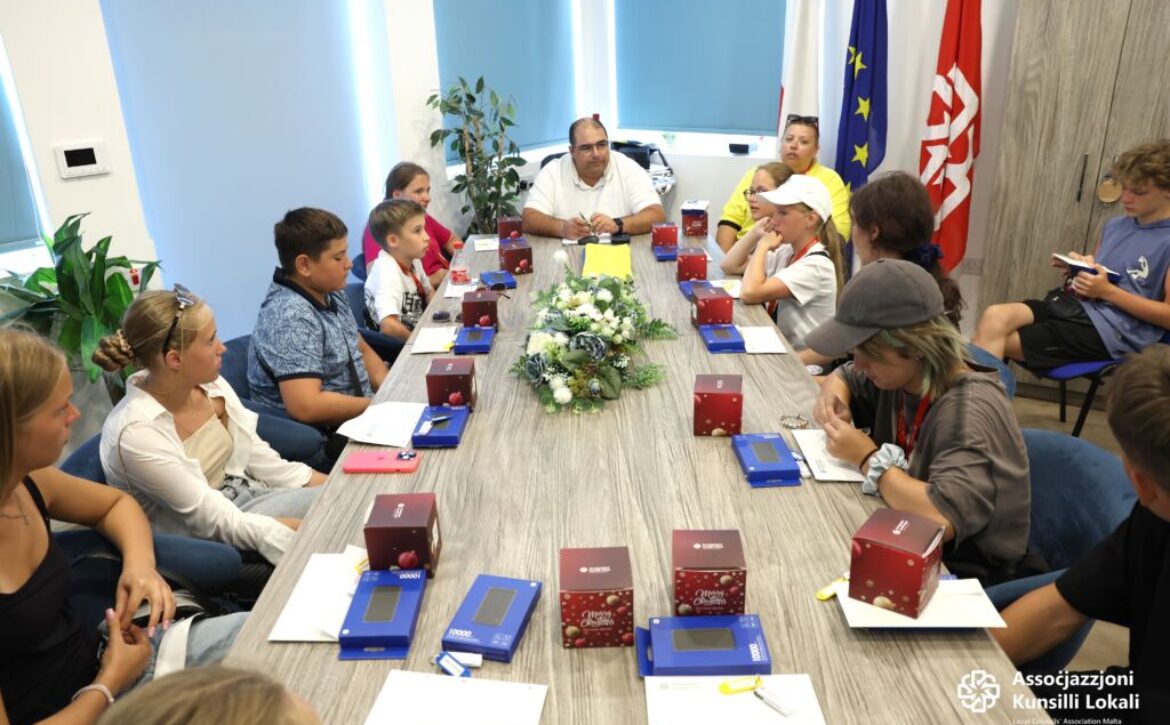
“The children have so little to look forward to amidst the hardships of war. Some have lost their fathers, who were serving as soldiers in the Ukrainian forces. This is why they were so reluctant to leave our country, which moved me deeply,” remarked Mario Fava, President of the Association of Local Councils, reflecting on the summer camp organized in collaboration with various entities for a group of Ukrainian children and youth aged 9 to 14.

Beyond the joy of being far from the looming dangers of war, the children were also immersed in Maltese culture and everyday life.

Mr. Fava, leveraging his international connections through his roles in European regional organizations, had discussed with Ukrainian counterparts the possibility of offering these children, who have long been deprived of life’s simple joys, a chance to experience something new. Children living in constant fear and uncertainty embraced this opportunity with open arms. The idea was met with enthusiasm, and ultimately, these children were able to enjoy the warmth and beauty of a typical Maltese summer.”

Fava explained that, together with a dedicated team, they organized a week filled with engaging activities, where the children’s joyful expressions made it clear just how much they were enjoying themselves. Highlights of the week included a train tour through the historic Cottonera cities, a hands-on visit to Mdina Glass where the children crafted their own glass pieces, and a stop at MCAST, which was hosting another summer camp.

The program also featured trips to Gozo, particularly to its capital, Victoria, and a series of culinary workshops where the children got the chance to make their own pizzas from scratch. They explored major shopping districts in Kalkara, Sliema, and St. Julian’s, relishing the experience of window shopping, making small purchases, and playing in game rooms equipped with the latest technological entertainment.

Back in Ukraine, stores of this kind remain closed, with only essential shops in operation. The vibrant atmosphere, sunny weather, and colorful displays in Maltese outlets left a lasting impression on the children, many of whom were hesitant to leave this new, bright world they had discovered.

“The most moving moment for me was when we took the children swimming, both in the stunning sea of our country and in the pool of a local farmhouse. Their joy was overwhelming, as some hadn’t had the opportunity to swim in nearly three years due to Russian forces blocking access to the coastline. I’ll never forget their smiles or the heartfelt gratitude they showed for the experiences we organized. Our sea, with its incredible beauty, was a perfect backdrop as the children not only swam but also dived underwater, marvelling at the fish. Such a simple pleasure, yet one they had long been deprived of.”

He shared how deeply he was impacted by this week-long experience, especially seeing the Ukrainian children’s reluctance to return home. Although they had arrived without their parents, they found a sense of paradise here, a world far removed from the horrors they’ve endured and continue to face. Importantly, contact with their parents was maintained throughout the trip, and the parents expressed deep gratitude for the care and joy provided to their children.”

Mario Fava expressed his commitment to organizing similar initiatives in the future, believing they have a meaningful impact on those who are suffering deeply.

“I had the chance to speak with Prime Minister Robert Abela, who also met the children during their visit. While interacting with them, he guided them on a tour of the Auberge de Castille, sharing the rich history of the building.”

“The Prime Minister reassured me of the importance of these kinds of activities, emphasizing how they can truly make a difference in people’s lives. My aim is to plan something similar around Christmas, a time that holds special significance worldwide. Although there are still many details to work out, I find immense satisfaction in knowing I’ve helped bring smiles to those who have been deprived of joy and the sense of normalcy that we Maltese so often take for granted.”

Read More
pexels-ingo-9816

Six ways to change the perception of residents towards local government

The average resident often feels intimidated by the idea of interacting with the government, especially the local government. This sense of ‘intimidation’ can stem from various factors, including previous experiences, the persistent stereotype of ‘bureaucracy’, unmet expectations, differing political views, culture, habits, etc. Regardless of the reasoning behind it, however, any type of negative perception can prevent residents from becoming more engaged in their locality, which in turn can lead to a greater distance between government or council officials and the elected representatives themselves. This was evident in the last local elections where there was a significant decrease in the number of residents who felt they should participate in this democratic exercise.

Fortunately, local governments are uniquely positioned to overcome these potentially harmful misconceptions and change the way residents perceive both the people and processes behind governmental bodies, especially their local councils and how they operate within the community.

Let’s remember that our purpose is to serve.

Working in a service-oriented field – and this is the role of every level of government, including local – is a very demanding job. When people call you, they are generally seeking to ask for something or to complain. That is why it is important to remember that the phone call or letter is not personal, but rather a plea from a resident who voted for you to represent them. Remember, if a resident takes the trouble to call you or send you correspondence, it is because they still have hope that you can change what is bothering them.

We must recognize that when someone picks up the phone to call, it’s not to ruin our day. They’re calling because the pothole hasn’t been fixed, their street hasn’t been cleaned in a while, or a streetlight has been out for weeks. Perhaps they’re reporting a slippery sidewalk where someone could get hurt, hoping we can address the issue. Understanding this helps us respond with empathy and effectiveness, working together to resolve community concerns and improve everyone’s quality of life.

We must remember that a crucial aspect of working in local government is to address the needs of residents with empathy. After all, those elected are often part of the community, living in the same locality where they ran for office. Responding to questions, phone calls, and emails with patience and understanding can significantly change how people perceive local government.

One cannot expect people to fully grasp the systems we have implemented.

We must avoid making assumptions or pretending that everyone is familiar with the systems we use or understands the concepts behind them.

The systems and processes of local government can often seem like a language of their own. Therefore, it is crucial to find appropriate methods and platforms to maintain clear communication that everyone can understand. We need to explain why a system works the way it does and highlight the potential benefits it can bring. Failing to do so risks leaving people in the dark and fostering a less effective form of leadership, which can also increase the distance between councillors and residents.

We need to understand that residents often expect quicker and more effective solutions when they complain or write to someone they have personally voted for at the local level. While this expectation is not always realistic, it is important for us to explain.

We need to be able to delegate as well. A resident shouldn’t have to wait a week or more for a response just because one is traveling or is unavailable for a few days. We should trust our colleagues by passing on the complaint and communicating the type of response that should be given or the steps and actions that need to be taken.

Residents may not always be aware of the information they lack. Consequently, without someone to inform and provide feedback on ongoing developments, they might perceive that nothing significant is happening. This lack of communication can lead to a distorted perception and misunderstandings about the actual events unfolding in their community. Therefore, proactive communication and transparency are essential to ensure that residents are well-informed and have a clear understanding of the progress and initiatives taking place.

At times, procedures that may seem bureaucratic are essential for delivering improved services. As representatives of the local government, it’s our role to clarify the reasons behind these processes, enabling better understanding among the public. Often, fostering effective communication requires us to approach people with increased patience and empathy, ensuring their concerns are heard and addressed appropriately.

Providing genuine support to the youth in our community

Another important way for local governments to start projecting a positive image to the community is by actively engaging the interest and trust of young residents. This means implementing programs that go beyond words to truly involve the community’s youth in practice.

The perspectives of today’s youth will profoundly influence how future generations perceive our towns and communities. It is crucial for our councilors and employees to actively listen and engage with young people. By involving both current and future generations, we not only ensure their voices are heard but also invest in the strength and unity of our community. This proactive approach fosters a sense of belonging and responsibility among all residents, laying a solid foundation for a vibrant and inclusive community for years to come.

We act on diversity, equity, and inclusion

Recent events across Europe, including the European Parliament elections, have underscored the imperative for local governments to move beyond mere rhetoric on diversity, equity, and inclusion and take decisive action. Consistently feeling underserved, underrepresented, or mistreated will inevitably breed negative perceptions within community populations. Thus, proactive steps by local authorities are crucial not only to address these issues but also to foster a more inclusive and supportive environment for all residents.

The first thing local governments can do is foster better and more transparent communication on the subject. Our country has occasionally experienced “racial” incidents, and when this happens, we talk about the need to take measures, act, etc. A few weeks go by, and we forget everything. These are not issues we can address only with emotions. We need to bring together community leaders from different segments, leaders of different faiths (if necessary), people who were or still are activists, different ages, different genders, different racial backgrounds, different ethnicities, for an open discussion on how the community moves forward together. Let’s remember, not every individual residing in our locality is a citizen, but they are all residents, and as Mayors and Councillors, we represent the entire community.

The goal should be to bring these different groups together to provide the community with facts that they can share within their own groups, where they have already established trust. We may not solve all the problems, but we can promote the understanding of facts as opposed to conjecture and perceptions. This is a value that every local leader should believe in and work towards.

To help residents understand the council’s budget, we should focus on communicating its value, not just the figures in euros and cents

The council’s budget is a very typical topic. In fact, it is one of those things that residents tend to write about the most when things go wrong. Why? Because people often want money for projects, or they believe you should be saving money through certain actions. When they don’t get what they want, they view the decision as either baseless, politically motivated, or personally affronted by some personal vendetta. Residents simply do not understand the workings of the town or city’s budget.

But how can you get people interested in your budget? It’s a necessary component. You may have all the good ideas in the world, but if there’s no money to pay for them, it’s not going to happen. That’s why having a strong and healthy discussion about how to allocate your resources is crucial for a successful and inclusive community. The problem is that many residents do not have a financial background, so they either hold back from showing interest or we ourselves assume that they have no interest in knowing. This makes it difficult to get them involved in the subject.

Absolutely, empowering local governments to take proactive steps in educating residents and crafting budgets that truly address their needs is crucial. When councils foster discussions on spending priorities with residents, it sparks significant changes. While councils ultimately retain decision-making authority, allowing residents to influence how funds are allocated for specific projects adds immense value.

For example, when a council earmarks funds for a project and invites residents to determine the project’s nature and execution, it enhances community involvement and cohesion. Such actions not only democratize decision-making but also strengthen community bonds by ensuring that local initiatives reflect the collective aspirations and priorities of residents. Thus, initiatives like these undoubtedly contribute substantial value to the community, fostering a sense of ownership and collaboration that is vital for sustainable development and harmonious living.

Should these ‘roadshows’ be conducted locally, providing residents from different areas with the opportunity to genuinely participate in the decision-making process and feel included?

I come to ask; should the council’s budget be made within the four walls of the office or out on our streets with the people? When the council sits down with the people to draft the budget, the budget gets allocated according to what the people want. And it wouldn’t just be a set of numbers. It would be a document written with a narrative. Of course, priority must be given to contractual expenses that must be paid necessarily.

Cherishing our towns and cities

The author Peter Kageyama wrote a book titled “For the Love of Cities,” which I highly recommend for anyone involved in local government. The book discusses how people generally form their opinions about where they live based on small things, not necessarily the big ones, but the aspects that make their communities unique. These are the things that touch them personally and make a difference in their lives. Often, what makes a difference are small things, like how easily I can get in and out of my garage, whether I can hang laundry on the roof without it getting dusty from an uncontrolled construction site nearby, or if I have access to online services.

Therefore, it is crucial for council officials and elected members of towns and villages to actively nurture and promote this kind of affection and sense of belonging among their residents.

Social media and community council or resident technology forums provide excellent platforms to perpetuate positive messages about the little things that inspire people in your community. For example, when a new café or restaurant opens, visiting the establishment and sharing your experience can promote local businesses and foster their growth. These actions not only support local economy but also strengthen community bonds and pride.

More importantly, we need to commend residents who do the same. We should highlight small acts of kindness or experiences related to local associations or clubs, secondary schools, or community group meetings.

The local government sets the rules and provides the structural foundation for our communities, but it is the residents who bring these communities to life. It is their pursuit of passions and engagement in local activities that transform a city into a beloved home. Thus, any measures the local government can take to support and encourage these efforts will result in the most significant achievements, fostering greater resident participation and strengthening trust in local governance.

In conclusion…

If your residents’ perception of the local government is less than ideal, don’t lose hope. There are many ways you can work to change both hearts and minds. The key to fostering a more optimistic view among your city’s workers and residents lies in maintaining open communication, continuing to work diligently, and ensuring that all residents feel heard by their representatives.

Implementing prompt measures to bolster the standing of your local council can significantly enhance the productivity of your staff and elected officials, while also ensuring that every interaction becomes more streamlined and effective.


The fundamental principle we must grasp is that we are here to serve.

Inclusivity is crucial to truly change residents’ perceptions

Consultation with our residents is imperative to ensure they feel part of the decisions being made at the local level.

Young people are not only the future of today and tomorrow, but they are also important assets in shaping local democracy and their involvement helps build a generation with greater confidence in Local Government.


Mario Fava
President
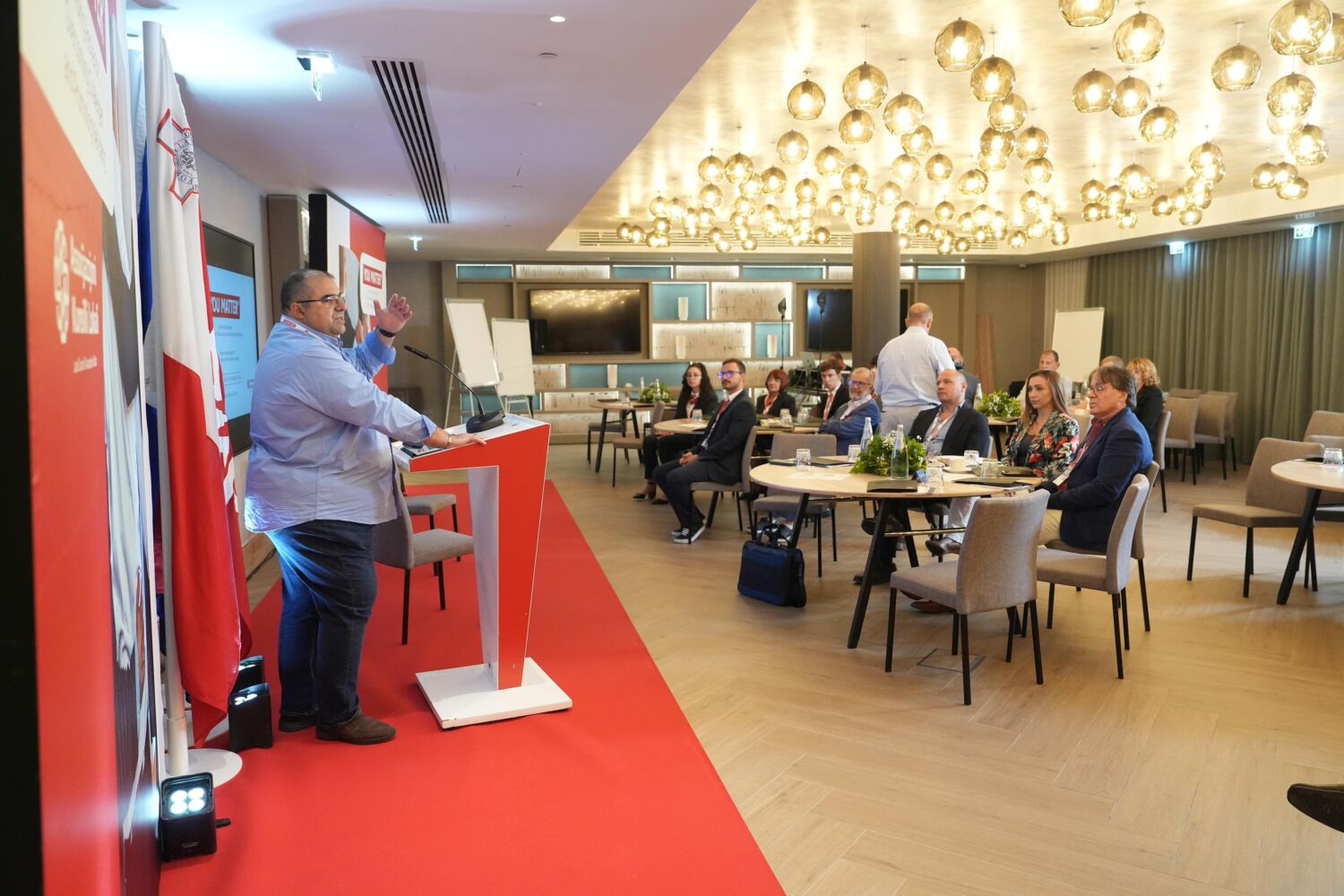
Read More
#thegov_button_6a87fa9c8b245 { color: rgba(255,255,255,1); }#thegov_button_6a87fa9c8b245:hover { color: rgba(255,255,255,1); }#thegov_button_6a87fa9c8b245 { border-color: transparent; background-color: rgba(207,23,43,1); }#thegov_button_6a87fa9c8b245:hover { border-color: transparent; background-color: rgba(97,162,26,1); }